Danny Matta: The One KPI That Predicts Your Clinic’s Future
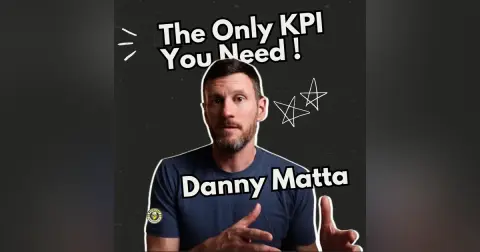


Why are PTs so bad at keeping patients long-term? And why do most clinic owners burn out before they break through? Dr. Danny Matta returns to the show with real talk for rehab entrepreneurs who want more than just insurance-based care.
In this no-fluff conversation, Danny breaks down:
- The #1 KPI every clinic owner should obsess over
- Why most PTs sabotage evaluations without realizing it
- How to shift from reactive rehab to proactive, lifestyle-based care
- His honest story of scaling too fast — and almost losing it all
- The power of asking patients what they really want next
This is for any PT who’s burned out, scaling up, or ready to stop making the same mistakes.
⏱️ Timestamps / YouTube Chapters
00:00 – Intro
02:13 – How Danny found purpose again after burnout
06:51 – Why most PTs suck at evaluating patients
12:34 – Lifetime patient value: what most clinics miss
17:02 – The ONE KPI to track: continuity percentage
22:45 – Scaling too fast: how Danny almost lost his clinic
28:19 – Selling wellness, performance, and lifestyle services
35:10 – How to market to returning patients
41:25 – Burnout reset routines
47:00 – Legacy advice + “Climb the right mountain”
54:00 – Parting Shot: Your perfect week starts with this
???? Guest Links + Resources
- ???? Danny Matta’s Book: “Fuck Insurance”
- ???? PT Biz Accelerator
- ???? Danny Matta on YouTube
<p>This episode is part of the <a href="/physical-therapy-business-podcast">Physical Therapy Business Podcast</a>, where physical therapists and clinic owners learn how to get more patients, improve operations, and grow their clinic without relying only on referrals.</p>
<p>Looking for more episodes? Explore the full <a href="/physical-therapy-business-podcast">Physical Therapy Business Podcast</a> for real-world strategies on physical therapy marketing, patient acquisition, and clinic growth.</p>
0:00 You're listening to the PT Pinecast, where smart people in healthcare come to make noise. Here's your host, Jimmy McKay. I like it. I had this big fancy intro all prepared that I'm like, I think I'm just going to be like, this is like base. I'll go basics. Today's guest has been on the show multiple times. He built a cash-based clinic before it was the thing. He served in the military, then decided to the behest of a lot of people around him, like, what are you doing, to build a business serving athletes on his own terms. Now he coaches other people, clinicians, how to do what he did, avoid the volume trap, grow practices, make work work again, but make it meaningful.
0:41 That's like the funny part, right? Like, When it's meaningful, it doesn't really feel like work, but you're working. So he's not just running a clinic. He built a movement. And he let me call him by the wrong name for the first five years that we knew each other. I kept calling you Danny. I kept saying Mata because I don't know. I said it and you didn't correct me. So it's Matei. I've been doing it my whole life, dude. You're not saying it wrong. My family says it wrong. It's literally like... It's just a couple of letters that got removed on Ellis Island, you know, story. And then my great, great grandfather was just too stubborn to stop pronouncing our A as if it didn't have vowels. It was D Mateo. And then they removed some letters and he refused to drop the way the A sounded.
1:25 So this has been generations of us now. And when we find out, we're like, this is silly. One of us is going to have to stop, but I don't necessarily want it to be me at this point. So maybe one of my kids will change it. Yeah. Do you remember meeting up in Alexandria? We were at a coffee shop. We got tacos. That's what it was. We were at Taco Joy. And you were doing Doc and Danny. Yeah. Your podcast from a million years ago. I mean, ten years ago or nine years ago. And you were having a moment with me where you were like, what's your deal, man? And I think, was I still in PT school? Maybe I just graduated. You had just graduated, as best I remember. But yeah, I remember like...
2:05 Because, so we had that, that podcast. So it was myself and a really good friend of mine who his wife and I went to PT school together. He was a fantastic strength coach. So it was, you know, doc and jock. He was the jock. I was the doc. We would mix strength and conditioning and PT stuff. And we would just really, it was a reason for us to be able to get people to talk to us about what we wanted to learn anyway. Cause everybody would say Trojan horse. I know everybody was saying yes. So we basically had this like, pseudo, I don't know, advanced training from people that we could interview. It was almost like an extra master's degree or something just from the conversations. And he and I like to chat about this stuff anyway.
2:45 So we were going to like, I mean, I would call him like, hey, what are you doing with people, whatever. And I would talk about what I was learning. So we just decided we would record it. And we did that for years. And in fact, it even got fairly like popular as far as downloads go. I mean, we were getting fifty to seventy thousand downloads a month. But what was happening was I was getting a lot more feedback from people, a lot more questions about business stuff because I would bring that up occasionally. So eventually, you know, I moved over to just talking about business. And that's really all I've been doing for the last seven years or so. And, you know, but you at the time, I remember I was like, this podcast is awesome. Like, what are you going to do with this? Because, you know, it's it's a you don't want it to be just a I guess a time consuming hobby.
3:28 If, if it's something you want to like build a career around and you really are good at, which you're very good at this. And this has been going, how many years has this been going for? That's insane, dude. Ten years. I didn't think it would go ten months, like ten weeks. Shoot, I started it as a six pack. I was like, let me do six episodes over beers. That'd be cute. And then we did six and we got like a response and people were like, what are you doing next? And I'm like, I don't know. I don't know what I'm doing. I'm a second year PT student. I don't know anything. Um, so then I just kept doing it because I kept getting out of it more than I put in, you know, you put, you know, you put effort in, but every time I'd be like, look at this cool idea. I wouldn't have gotten to like, I like reading books, um, and we'll get to your book in a second.
4:11 I want some royalties, by the way. I'll explain why. But a human conversation is a life hack, people. Not just a podcast. Having a conversation to give and get is maybe becoming a lost art. Yeah, I agree. And I think that the... People learn differently. Some people, they retain information by reading far more. I always found that I did much better if I listened to things. I actually am an incredibly bad reader. I was telling my brother-in-law this weekend about, I moved to a middle school halfway through seventh grade.
4:53 So I went to three middle schools and three high schools. I moved a lot. And so the second middle school I go to, I show up first day. And the teacher, she, she, we're in like English class forever. And she's like, okay, uh, Danny, you read the next chapter. And I, I'm an awful outright reader, like so bad that my kids will request that my wife read to them instead of me back when they were younger. Right. And so I get there and she goes, well, why don't you read this next chapter? And I go, no, thank you. Yeah. She's like, no, I don't think you understand. You need to read this or- It's a request. Yeah. So I go, I'd rather go to the principal's office because the last thing I want to do on day one in a new school is embarrass myself. And so she sent me to the principal's office.
5:34 I got detention. My parents were pissed. They're like, just read. I go, no, it's bad. It's terrible. I don't know what it is. I can't read very fast. I'm really like, there's some sort of disconnect, but I can listen to stuff and I can remember it. So when podcasts would come out or audio books- And I found something that would really help me retain information. So I gravitated to it personally. I listen to podcasts. I mean, I listen to podcasts in twenty ten. I mean, like I remember listening to like Rob Wolf and the Paleo podcast back in the day, like trying to learn about nutrition and things. And and it just I could retain it. So I've always really enjoyed the medium. And I tell people all the time, just because you enjoy consuming it doesn't mean you'll enjoy creating it. But sometimes there is that line.
6:17 I go through phases of reading where I'll be reading two, three books at a time. And then I'll go six months where I'll be like, no, I have no appetite for whatsoever. And then I'll just go on a phase where I got to get on a bunch of planes. And the next thing you know, I got three books in the bag again. And I don't think you should feel bad for either extreme. Just do... whatever, right? I think it's really important to learn something somehow, whether that's a conversation, whether that's listening to a podcast, whether that's reading a book, whether it's reading a journal, you know, article, whatever it is. I actually prefer the conversations because, you know, if you can talk to somebody that's a subject matter expert in something, they, they're typically pretty good at breaking concepts down as well. And they just distill these things down to you instead of you trying to piece things together.
7:01 Like I always, it's typically maybe the hardest form of education because to be able to do that. But like, that was the unlock for us. The hack was our podcast is people would come on and they would explain shit. We just ask questions that we were interested in. If we didn't care if anybody listened to it, it didn't matter. But the funny part is when you try to create, and people have said this before, when you try to create something for everybody, you create it for nobody. Yeah. I would have conversations where I was like, well, Becky Bliss is a great neuro PT. And I was in neuro when I launched the podcast. And I was like, huh, I could just ask anybody. And they're probably going to say yes, especially PTs or healthcare people. They're pretty giving. And I was like, hey, Becky Bliss, let's talk about concussion because I had to write a paper on it.
7:41 And she literally wrote, I mean, I could have just copied and pasted the transcript and been like, there's my paper. And she, at the end of the interview, when we hit record, I was like, hey, that was awesome. And she goes, hey, are you writing a paper on this? And I go, yeah, I think I'd said that. And she was like, can I send you a Google Drive filled with all the papers I would reference? And I was like, Yes. Sure. All my classmates this like that's not fair. And I go, you didn't understand the assignment. The assignment was to get the most information synthesized. I just decided to do it in the least amount of calories burned. And I learned more in less time with less effort. But that's the point. Yeah, well, you did something different. I think this is like to the point of like people that I see that are OK with trying to do something different.
8:29 And it's not like you cheated, you know, but but maybe that wasn't explicitly they didn't explicitly say don't have a conversation, the professional to help you with this. Right. So you didn't really think anything of it. This is just something that. you know you you thought of that would be helpful and you went for it a lot of people have ideas a lot of people think that there's something else but they don't ever they never do it they never actually because they're worried they're going to get in trouble or it's not going to work and look dumb or something but whatever or the well if it was a good idea why isn't everybody doing it already like you yeah why are you thinking you're so smart i'm just going to stay on the safe side i'm guilty of that myself but then every once in a while i catch myself going I rage against those people in private. Like, why don't you just try something different?
9:10 Well, hold on. This doesn't make any sense to me then. You're not that big of a reader, but you wrote a book. Yeah, that's funny, right? Like, it is ironic. It was very hard to do, actually. But, you know, I think it's different whenever, I didn't write like a peer-reviewed, you know, I didn't write a book on research or something. It's still difficult, man. That's not easy. I mean, I can't even say if it's difficult. I've never done it. I've never even tried it. Yeah, for sure. It is. It is hard. It took me a long time. I got up every morning at like four thirty and I read. All right. I would just write from like four thirty until like six and then I'd get started with patients and stuff after that. And the intention of it was I wanted to that year. I was like, I want to do something like this. I've always thought like this would be a challenge.
9:55 And so it took me about seven months of doing that to really- Oh, that's good. Yeah, it was a lot. But then you have the editing process and all those other things. But the nice part about some of these things, like forcing yourself to do that, is it helps force your own concepts to be more concrete and the way that you explain them. Because if you have to type it out, you can't blabber on about stuff. And it really helps form some better infrastructure for what you're teaching people. So that helped me a ton. And the other thing, too, was at the time, at least, and there's plenty of people that have written books in this space, and many of them are really, really helpful. And if anybody that's done something like that and they're sharing it, it's usually worth the price of admission. And books are so cost effective for gaining knowledge.
10:37 But for me, I didn't have resources when I started my clinic that were specifically designed to help with Going from zero to getting to the point where you can hire somebody else and also what to look out for. I almost felt like if I could write a book that would help people look around corners, that would be so helpful. I basically just wrote the book I wish I would have had. That helped me with the project because I knew that it would be something that would be helpful for other people. I didn't know how many people would actually read it. I just felt like this would be something beneficial. to the profession. And even if it didn't work out, at least I could like take some pride in the fact that I stuck to something that took so long, you know, and it did, it was very, very hard for sure.
11:19 But like ballpark it for me, how many, well, how long has it been and how many copies have you sold? Like, not that that was the point, but I'm just interested in how many people, I think the number of copies you've sold is not the thing. The thing is, look how many people had the same gripe or the same desire to learn and then followed through. Yeah. Yeah, for sure. And so so originally the first book that I wrote is called Fuck Insurance. And what that's obviously very aggressive title. Yes. And what happened was we actually kept getting anytime we would post something about this on social media or whatever, it would get it would get like. I would get banned or, you know, restrict it.
12:00 So you can still get that book actually on Amazon, but we, I updated it. I rewrote some sections of it that we had learned more about, especially like continuity in the backend sales process and things like that. And then we, we updated it to the cash-based practice field manual, which is what it is now. And a lot of the core of the book is, is similar because the concepts didn't change, but some of the things that we learned evolved and improved and we were able to to update that but but more importantly we just couldn't even get it out there um so you know that when we when we wrote it originally was that and now it's this other book but i think we're in the range of somewhere between twelve and fifteen thousand copies sold i haven't actually like looked in a while i don't really um track it uh too much but we do we do end up with I don't know, it's a few hundred per month, basically, as far as books go.
12:44 And which is really interesting considering it's such a small niche within a niche. Right, right, right. Yeah, so that's actually been really cool. I think of it as like, man, if it's like, you know, state farm arena almost where the Hawks play of people that have, you know, read this, which is awesome. And the best part that I get from that actually is, I'll get people will message me or send me an email. And they're like, dude, I read your book. Like I had somebody tell me that they started a clinic that now is like literally multiple seven figures off of just reading the book. They're like, this book was the infrastructure to help start all these things. And now they're obviously very talented at what they do. But like the, I guess that just the information they needed to have the courage to do it came from, from a really, you know, affordable book is something that came out of my brain that somebody else can use.
13:28 And it doesn't have to be cost prohibitive for anybody, which I think is really amazing about books. I reference fucking insurance a lot. I'll be talking to someone and be like, yeah, I see what you're trying to do. Go read his book. Like I can sit here and try to give it. I could tell you to call Danny, but Danny's doing other stuff. I'm like, just go read the book. You got more questions. Danny's got a resource for you there. Describe what that looks like. Like Megan Brown has been like, you need to come with me. I don't even run a clinic. Like that's not what, but she's been in your room multiple times. She doesn't run a clinic either. We'll get to what Megan Brown does. Cause I think she's the sneakiest PT and PT. Cause she's like, I don't even PT. And then people come in and they're like, I'm a PT.
14:10 Um, yeah. What was the next step? What's that look like? If someone's like, okay, I read the book, but I'm hungry or I still need what you just said, which was they got some knowledge, but what they needed was like permission, even though they don't need it, but sometimes we want it or we crave it. Yeah. Yeah. You know, what's interesting about our profession is we're typically like quite risk averse people. You and I might not necessarily be. We also know. I mean, we also don't really fit the mold based on the things you're telling me you did in school and some of the things I did in my career that were just very different. Yeah. So, you know, maybe unintentionally or unknowingly, we we are a little bit more entrepreneurial than we would have thought. But our profession, by and large, is not.
14:53 We're quite risk averse. We go to we go to school under the assumption we're going to have this great career, which we were promised. And, you know, and it is a very personally rewarding experience. career right so i think what happens is unfortunately a lot of people are reluctant to make a move away from being employed in traditional sense because uh that's not their nature so they have to actually have typically a lot of frustration or pain uh to get to the point where they really start to look at um this is something i want to do and i i would say it's changed a little bit like i've i've presented to pt schools now for about ten years straight And one in particular I do every single year.
15:33 And every year I get more and more interest in cash based physical therapy. It's just growing within the profession. But for most people, they just end up getting frustrated. And usually it's between three and five years into the profession. I see a lot of that sort of happen where people question whether it's what I want to do or what I can do next. And that's when they start to kind of start looking around. Right. And they're like, what could I. Yeah. What could it possibly possibly be? I think a book is a really good entry point for that. And then they kind of have they kind of have three options. I talk to people about this. It's like. Okay, you need to pick one of these three. Otherwise, you're going to be incredibly unhappy. So number one, you either decide... Even though you might be a bit frustrated in your career, you work in a career field where you get to make true long-term changes in other people.
16:17 And that is a powerful thing. Don't take that for granted. It is noble what we do. It's very important. So there's nothing wrong with it. So maybe you don't make... three hundred thousand dollars a year but you know what like you truly help people you have a great job you have a lot of stability what you need to do is focus on being excellent what you do stop stop looking at other things the grass is not greener anywhere else like commit to excellence and you'll be a lot happier by doing so the second route is just leave just go and do something else like if you really think you made a mistake that's it's not a mistake you learn Exactly. And you learned amazing skills that transfer to many other professions really well. And we see that happen. So if you really feel like this was not where you're supposed to be, no harm in that, man.
17:01 Just go and find the next thing and pursue that. The third thing is, if you want to stay in the profession, this is a lot of people that we work with, but you want to do it in a way where it's lower volume and you have an opportunity to really have upward mobility in terms of what you make and the flexibility in your time and the say over what you do. Then a cash based practice really is the easiest, most low risk entry point into business within aside from maybe a digital business that has a completely different sort of infrastructure. But like it's much, much lower risk than a high volume in network clinic. It's much more simplified. So that's the direction we see a lot of people go from there. But it's going to be one of those three typically. I tell, I do this with students a lot and I like to play with words, obviously a guy with a degree in communications and journalism, right?
17:47 So I say, listen, if you're one of those people who's like in between a couple of those avatars that Danny just talked about, you're like, well, I want to, I call them like the end of the diving board people. Like you're there, but you're like, I'm not, I don't, I want, but I won't risk it. So I tell PT students, I'm like, listen, go get a job, go get hip and or a shoulder. Those are the two options. Both are ball and socket joints. You play with anatomy. Both ball and socket joints. You're nine to five that you can start getting paid tomorrow because you have a heartbeat and a license. That's your hip. A lot of stability. Not a lot of mobility when compared with the other ball and socket joint, the shoulder.
18:28 Lots of mobility, some stability. So I tell them, listen, get one of each. Get that stable job. Get some cash underneath you. Get whatever Dame Ramsey or whatever pundit says. Get six months, eight months, twelve months worth of security money. Do that. Get your four one K and your mom and dad are happy because you got benefits. And if you're still a little pissed like Danny was or other people, if you're still like, wasn't it? I thought the ceiling would be higher, not even money, but like freedom or whatever it is that you want. Build the shoulder on the side. See if you can hang from it. See if you can pull yourself up by it without dislocating it.
19:08 And if you have the right archetype, the right personality, the right talents, talent is what you're born with. Skill is what you can learn. I think you can absolutely learn these skills because they're skills, which means you can learn them. What's stopping you? Get a hip, get a shoulder. If the shoulder doesn't work, go grab another hip. I think that's a perfect reference for our profession. It makes complete sense. It's a good way to test the waters. I think a lot of people do that. Some of it, though, you also have to understand your own situation. I'm not saying you can necessarily... You have to completely dismiss options, but somebody who has... three kids and they take care of their sick mom has less of an opportunity to take a risk on themselves as somebody who's single and has a dog you know so like you you can't compare yourself to everybody because you may not necessarily have the same environment around you you may have the same opportunity to take a chance on yourself um but if you do and and you test it out and it makes sense then you know all right cool at least at least you know whether it's something you like or not.
20:12 And there are a lot of people doing that. There's definitely a lot of people. Right. Like, like, I don't know if we have numbers on it or whatever, but it sure feels and smells and tastes like in the ether, people asking questions in dark corners of Facebook or LinkedIn, you sort of know it. I mean, you can spot these people from a mile away. Probably it's like, Oh, you're asking the introductory questions. You're in the preparing to get ready phase. And when you're ready, you're, What do you bring people into? I want you to talk about the thing that I haven't been to yet that Megan Brown, who we'll get to again, who's like, this is a thing. And when you go there, you see other people. I think she said something like you see people can see future versions of themselves walking around and they're like, I don't know what it is, but it's here.
20:57 There it is. Look, look at look at her. Look at him. yeah i mean there we really have it's a very simple it's a very simple education process for us like we um we help people get started which is essentially a six-month uh program we help people scale up to to you know move into a standalone space hire all the things they need to do uh as their business gets bigger which is twelve months so one the six month one is real getting started that's that's called our clinical rainmaker program and then The twelve month program is our PT Biz Mastermind program. And I think of them actually as one is a residency and one is a fellowship. Oh, I like that. So now I like how you're reversing it.
21:38 Great. Why? I didn't go to MBA school. I'd never actually taken a business course in my life, you know, but I've been a part of residencies and fellowships and I've helped teach coursework. internationally. And I've helped stand up programs in the military. And one of the big things that we do is there's a certain way that we teach people in these higher education programs. It's very, very effective. And I didn't know any other way to put these things together than what I had learned and what I'd been a part of. So the way that we organize our coursework is based on our experience in fellowships and residencies. So the fellowship program is more in depth. There's case studies, there's peer-based learning, there's things where you're going to have to be a big boy big girl put your big boy big girl pants on and actually like present your business defend what you're doing and depth of knowledge is gained through struggle sometimes like that but have you know mentors that have already done what you're trying to do um the the residency is a little bit more hand-holding early on because you don't know as much you know the mindset side of it is is harder in a lot of ways um it's really focused on people learning how to sell and market and get people in the door so that they can actually you know, take, take a chance on themselves full time.
22:45 But in the mastermind, the coolest part that we get a chance to do is we get together everybody twice a year. And this is what Megan Brown is talking about. So Megan was a guest presenter for us a couple of years ago in Atlanta. And she's been to every event that we've had since. And she, she sells it. She's like, she doesn't even sell it. She's like, you need to go. I'm like, why? She goes, show up. And I'm like, all right, you know, I trust her obviously. You're welcome at any one, by the way. The next one we've got is in Charleston. If you're tired of being cold at the end of March. What is it? I mean, I forget the dates. It's the end of March. It'll be a Thursday, Friday at the end of March. All right. If Megan's going, I'm saying it right now, December sixteenth. All right. If Megan's going, I'll show up. Okay.
23:25 I'll follow up with you on this because I think you would love it, man. And the thing is, the reason that I think Megan likes it is because when you have a room full of two hundred clinicians that are all business owners as well, and they all are trying to do the same thing. And they're at different stages of that journey because some people are making ten thousand dollars a month. Some people are making two hundred thousand dollars a month in their business. Right. And so You sit in there, but yet everybody's the same. We all have the same background. We all have these businesses that are laid out similarly. We all are very mission-driven. We're very positive people. I imagine... you went to a similar group full of people that are personal injury attorneys it's a very different vibe than a uh you know cash based physical therapist that heavily lean into like performance and movement and niches that are helping people you know stay active and and get back to running or whatever you know things like that so um you know you have a very very active a very uh engaged group of people but more than anything i don't know when you're a business owner i think it's a struggle to find people that understand the shit you have to deal with but also can celebrate your wins and when you get around people like that it's it's almost like i like to think of it as like recharging your battery so your entrepreneurial battery gets drained with all the work you have to do and the problems you have to solve and that doesn't ever go away but twice a year people get to come you know into a space and that battery gets filled back up with cool conversations with cool people that they meet all across the country and then all of a sudden you have this network of people where you can pretty
24:55 much drop into any city in the country You know, hit up one of the people that we that we work with and have a great, you know, dinner conversation with them. Go check out their clinic. Just expand your network. So it's it's fun. It's fun. And some people, you know, Megan, she loves he's very extroverted. She loves being around other people. Some people maybe are a little more introverted, but but either way, it's such a welcoming group. It's not it's not stress. It's not stressful networking. Like it doesn't even feel like you don't know these people because we have so much. Yeah. Megan, so people don't know, right? If people don't know Megan, and I'll get her on the show eventually, she always says yes. But because we're so close, I don't hammer her on like coming on as a guest. Megan's very skeptical, right?
25:35 in a good way. Like, if you say something, she's the first, like, her extraversion. Because some people might come across, like, why she's so, like, why she's so pushy. Megan's trying to get to the root. Megan's like, if this is so great, she's like, why? And people are like, what do you mean why? She said it was great. She's like, great, why? Why is it great? Tell me why it's great. She was, I wouldn't say she was anti, like, APTA, but once she went, once one of our friends, once Sky Donovan sort of twisted her arm a little bit and she got there, Megan was Here's the best way to say Megan. Megan's all in or Megan's all out. And when you say this is great, she's like, why? Because she's like, maybe I jump in, but I don't jump in a little bit. I'm in or I'm out.
26:16 You can't get half soaking wet. You're either soaking wet or you ain't. So for her... She is extroverted, but I think once she gets in the room, she's really skeptical in a good way. And once she understands the physics of a room, she navigates a room really well. Now, I like to say Megan's the sneakiest Trojan horse of a PT. out there that i've seen because she doesn't have a pt clinic and i'm using air quotes she has mind the mat pilates in alexandria virginia and i don't i think that's like it's in like one of the top three most expensive zip codes in the country it's like dc area new york la san francisco whatever it's not easy it's not easy to run a business it's definitely not easy there because the prices are crazy and people are very picky And she on the front door, it says nothing about PT on her website.
27:04 You really, I think you have to really look to find PT, but she's practicing. I want to be very clear. She's practicing physical therapy in group settings every single day. as a PT using all of her PT skills and confuses the average person. They're like, she's not a PT. And Megan just sits there and goes, I know what I am and I'm killing it. Not even just business wise, which she is, but she's also killing it because she's doing exactly what she wants to do for the people. I mean, she's got three locations in that area. Wow, man. Yeah. I, we were just there recently doing a content trip and had a chance to follow her for the day. And I did her class and it was freaking hard, man. It was really hard. It's super hard, but it's also, you know, she's talking about like abduction and extra rotation of the hip and people know degrees of freedom you're supposed to have and stuff.
27:55 And, and so I think that, I don't know, physical therapy. I love what she's doing with it because she's applying the skillset that we learn in a slightly different way and really helping people, you know, I mean, they, they love it. It's, it's, it's obvious that they, they love it, but what, what she's done a really good job with. And I think this is something that we don't lean into as much as a profession is she's really created this unique culture and community around business. Um, you know, and too often, and in my experience, like in the military and even working in like high volume in network clinics, um, you know, you're, you're discharging people so fast, right? Like you don't, they're in and they get discharged when their insurance runs out for the most part.
28:37 And you have patients that will come back and we build a lot of rapport with people, but the sense of community that you can build in a place like that, or even like some of the clinics that we work with, or even the one that I'm still a partner in, the ability to work with people long-term creates this, this community of people that, that are like-minded, that trust you as a resource for health and wellness. And that's a really unique advantage. And honestly, it's probably my favorite part of the whole business model. So I just think that's something that she's done a fantastic job with. And everybody who has a business that's in the PT space could really, really learn a lot from like, how do you actually manage, cultivate, and really build a healthy community of people that are clients of yours to turn into, then friends with everybody else that you work with. and raving fans i mean she's got a waiting list and i know clinics out there do well and have a waiting list but her classes have personality people go to this instructor on this day and she by the way teaches her own instructor so you come in a lot of times as a client next thing you know three years later you're like i want to be an instructor and she's like right this way so she understands who's who in the zoo like who's who in the neighborhood um So, I mean, if you're ever in the D.C.
29:41 area, go take one of her classes if you can. Good luck. It's called Mind the Mat. Good luck trying to get in because, again, as soon as the spot opens up, there's someone else in an app. I'm already in. She's doing it sneaky in public. Let's talk about the thing that you did with her. Um, you've been doing, and the thing that you're also doing, which I think is so simple and basic, but so brilliant. Cause that's where the brilliance really is. It's a circle. Um, you're essentially, let me describe it and you correct me if I'm wrong, where I, where I'm close. Um, it's like MTV cribs meets. a PT clinic, like with the people that you work with, the people that you describe, where you're like, I'm going to drop by and we just want to see you.
30:21 And then we're just going to chop it. We're just going to talk. And like, at no point are you sitting down and looking into a camera. It's like a camera is just following Danny around. And Danny's like, what's up, dude? And then the clinician is just hanging out. And it's the most approachable, digestible content. If you're the person who wants to do it in six years, this is the stuff you should be looking at. How close to that? I've wanted to document our profession as far as cash-based physical therapy clinics go for a long time. The challenge is it's time intensive and it's resource intensive with videographers and editing and all that stuff, right?
31:04 So, but we got to a certain size with our business where we felt that this was a project worth doing and had no idea if this would actually benefit our business in the least. And I actually didn't really care because To me, this isn't a cash grab, dude. This is my profession. This is just something that I'm very interested in. I would like to see it improve and continue to be around and evolve. I think one thing that's really interesting right now that's happening is you see this big move of people that are moving towards these very small niche-based specific cash clinics that have the capacity to really grow. So what we wanted to do was show clients that we were working with, alumni of people that we've worked with that they have clinics at different stages of like you're in a subloosed office in a gym.
31:53 Let's talk about what you're dealing with. You have three locations and you're making a couple million dollars a year in top line revenue. Let's talk about these things. And we went in there sort of running gun style with videographers to just have a conversation. And we we've done. I think we've done maybe fifty or so of those. And recently with Megan, we did something just slightly different. So we took some of our of our clients and friends who just have really built some really impressive businesses and have some amazing spaces and cultures. And we spent an entire day with them. And then we pulled those together in a far more sort of like story framework. And Megan's is the first one has come out and really be able to tell the story of how they got where they're at.
32:33 through PT, you know, school through their, their upbringing through the business side of things and, and really like highlight just these amazing people in the profession. And that for us was like, yeah, we did MTV kind of crib style, but now we want to do like a chef's table, like style and see which one we like and resonates the best. Right. And so like, that's kind of what we're doing, but partially for me, it's a creative outlet. I like this kind of stuff. I enjoy getting out of my office and going to clinics and, and being able to see that. talking to their patients, like, dude, I have such a good time talking to people's patients about, you know, what are they doing? Cause, cause we, what we get is we get these really high achievers. Usually we get people that are like, just awesome.
33:14 Like I was at a clinic in DC and one of the, one of the owners that we followed around, her patient was coming in to run the Marine. He was right before the Marine Corps marathon. And he was just getting a little bit of soft tissue work done. And this guy was sixty years old and he had set a goal to run the Marine Corps Marathon for the second time. He's only run it one time, but he was thirty seven when he ran it. And his goal was to beat his time when he was thirty seven. He was sixty. Like just think about that goal. I know. It's amazing. And I was like, this guy lit me up the rest of the day. I was like, I want to be like this guy one day. I want to keep trying to test myself and do things. So I like that. And I like to share that. And I really, really hope that the profession sees what people are doing and sees that, oh, they're like me.
33:59 I could do something similar. I can be just like them because none of us are any different than anybody else in the profession at all. But what you're doing again is so simple and yet why it's brilliant is to their defense, kind of PTs can't wait to tell you how great we are and how great we can help you get. And then I'll, I just did it today on a call with a very large PT association. And I said, how many people on this call are in show business? Cause the guy introduced me, Jimmy was a radio guy and he's podcasting. I said, anybody, is there any, this is how I said it. Is anybody else on this call show a hands in show business like me? And nobody raised their hand.
34:40 Like, so you only tell is there was academics and clinicians. You only tell students how to do things. You never show them. Well, well, so you only tell patients how to do things. You never showed them. And by show them, I mean, demonstrate. And I also mean by tell them, if you keep doing this, you will get that. That's a story with them as the main character. And then I'm like, now, if I ask that question, I'm not going to put you on the spot. But if I ask that question again, would you change your answer? I just see people go, mm hmm. Right. There's no such thing as tell business. It's not a thing. We're in show business. That does not mean you need to shoot many documentaries like Danny. It means that if you can find a way that you're comfortable consuming or sharing some sort of medium because people say media i'm like it just means word picture sounds you know videos just a medium how you do it showing kills it beats telling a hundred times out of a hundred it just does it just does Yeah, it's cool.
35:38 And it's also a unique way. I wish, I don't know, in some ways, I wish somebody would have done that. Like, or I wish I would have maybe done this for my own clinic whenever we were first getting started. Because I mean, imagine, dude, like there's people that will go in and they have, a table in the corner of a gym, right? And we're talking to them about where they're at and where they want to be in five years. And it's like a time capsule to where they get a chance to see that and see where they were at, what they were thinking, what their space looked like. What their problems were. Exactly. Everything. And then they get a chance to look back on that and really just appreciate the growth that they're inevitably going to have. And not only that, but it also is, we felt like it would be a really cool asset for people that we work with to help in the hiring process, attract people that would be the right fit for them.
36:25 And that's actually been the thing that's been the biggest help for is like, we've had a number of people that have literally hired folks just from watching these clinic tours. Yes. So you already sort of said the answer, but I would have asked, or if we go back in time about ninety seconds, I would say, is creating content like this more of a help to hire or get patients? Oh, to hire. Yeah. Right. Cause now you're, instead of having to say, and I hate these stupid things, we believe in evidence-based prep. We're hiring now. We believe in like just all the mayonnaise flavored ice cream that goes into job postings. It's so funny to watch truly creative, passionate people write a post on Indeed that comes out sounding like a photocopy of a photocopy of a photocopy.
37:09 What are you doing? Yeah. But now you get to show them, you don't have to tell them. Well, and I think the other thing too that you get is what typically happens is somebody will watch one of those and then they'll independently reach out to the owner just to see if they're hiring. They'll go to their site and see if they have a hiring page. And that's what we've noticed more than anything. And I think what happens is, And we're pretty authentic about it. We're following you around, asking you questions, whether it's business, clinical, whatever. There's zero script for it at all. And it just depends what we get into. But it gets to highlight sort of them and their journey and what's important to them and their personality, too. So you end up just sort of culturally having people that are a fit reach out to you.
37:52 And that's probably the biggest thing. hurdle with, with hiring folks is making sure that you're like hiring people that are going to be a culture fit and have the same values that you have. And if they watch you talk about your space and your journey as a business owner, uh, and they like it, they obviously like, so whatever you're saying. So now all of a sudden they've checked the culture box, which is, which is huge. Yeah. They get to come one step closer, right? I'd say the same for patients too. You can, you can, you could probably have one shoot day, uh, not really have to script a whole lot. Cause I mean, I don't work. I was in radio, man. We didn't do script. We did. What's the goal. What am I doing with this? What's the talk between these two songs? What am I doing? Okay. Got it.
38:33 I'll figure out how to do it. Turn the microphone on. Like ironically, I guess you gotta be comfortable with that. Once you are, it's, I think it's simpler to get the realness out when you're like, I just need you to be you. I'm going to make it easy to be you. Right. I think that's like, that's why it's called a host, a podcast host and a guest. I'm my goal as a host is to make you welcome into my, like, I want to make you feel welcome at home. And then what happens? You become the most you, but if it's awkward, it's forced and you know when it's awkward, you can spot it from a mile away. But what you do is like I say, running gun. Well, you know, it's funny when you look back at these things because, um, I don't think I could have done this five years ago even.
39:18 And a lot of it just comes down to, even if you think about your career arc, it's similar, right? Because I think I'm between the Doc and Jock podcast and the Peach the Entrepreneur podcast, I'm well over a thousand podcasts completed, right? Think about how many patients we've talked to. I mean, I had a decade of patient care where I'm just having conversations with people constantly. I understand the profession in terms of like, if somebody wants to talk to me about squat mechanics or they want to talk to me about marketing funnels for clinics like we can talk about any of that and i don't think i would have been able to do these off-the-cuff sort of approaches unless i had all these reps from these other things and i had no idea that we'd eventually do this or it would lead to that um it's just it's just skill stacking essentially and uh and it just depends on what you're interested in and keep following that right so for us what's been cool is like we can we can do that and we can do it pretty efficiently And maybe there's plenty of things we could do better.
40:21 There's no doubt about that. But for us to be able to share these things, these businesses, these people and what's going on, I just think from a professional standpoint and even just having conversations with the APTA recently, it's obvious that we're going this direction where We're going to be more entrepreneurial as a profession. We have to be. And right now we're not. Yeah, I mean, it is. And it's the ironic thing too, that they said, I remember I had conversation with some of the APTA about how funny would it be if our profession drives more to the cash-based route and then insurance literally has to work with us more. Because there's not enough of us taking insurance. And all of a sudden, they reimburse us more. Like, what a weird fucking one-eighty. I didn't even think that was a possibility.
41:01 But it's going that direction. So for us, we just want to be a part of that and highlight it and help grow the profession in a way that I think is very sustainable. And obviously, insurance is not changing anytime soon. So it's good for us on the economic side as far as being able to provide for our families and create time freedom. But more than anything, it allows us to stay in the profession and really enjoy the career that we signed up for. I agree. Yeah, I agree. What's the future look like? I mean, you sort of gave a snapshot. And quick, before I forget, where should someone go if they're like, I want to do this? Where do I get more of this guy? Tell them the exact one spot. You can go to physicaltherapybiz.com and you can learn a lot about what we're doing.
41:43 You can go to YouTube if you want to watch our clinic tours. We put a bunch of actual video-based podcasts out there. The PT Biz channel on YouTube is a pretty great spot if you want to learn about this stuff. I've watched every single one of these clinic tours myself, even though I was there. I just am so fascinated with everybody's origin stories. It's fun. When I sit down with creative calls or whatever, if someone's like, hey, man, you got to meet this guy. I'm like, all right. And then there's that pause when you're like, hey, guy, I don't know. And you're like, hey, so where do we start? My holstered response is... Um, what's your, what's your superhero origin story? And of course it breaks the ice people. Oh, I don't have one. The really hump, like the people with the cool stories usually say, ah, there's nothing special about me.
42:26 I'm like, that's when we got something. And then they break into this crazy ass story where like I did this thing and I'm like, what? That's so outside of my realm. Like, this is so interesting. But we all have an origin story and every business is made by humans. That business also has an origin story. So you're simple. Your stories are so, again, simple, which is why they're brilliant. It's the hero's journey. It's obviously still working. Otherwise, you wouldn't be able to drop by the clinic. But and the fun part is where in the hero's journey and when does that end? It only ends when you want it to end, which is we close it or we sell it or we're still going. And that's the fun part. They're all the same, but they're all different. Yeah, you know, and for sure.
43:07 And I think that the time, it's like a time capsule in a lot of ways too, which are, which are really, you know, it's like, what if, what if your grandfather, you could watch videos of him, you know, doing or whatever it is that he, whatever he did at the early stages. Oh, my God, I'd be all over that. Yeah, but we can't. But now we can, and that next generation will be able to do it. Yeah, which is even crazier. But you ask, okay, where is this going? And I think about this a lot, actually, just because â I think what you're seeing with cash-based clinics now, number one, you know, so I wasn't the first person in the world to start a cash-based clinic. When I did it, it was twenty fourteen. And but I only knew of one or two in the city of Atlanta at the time whenever I started mine.
43:50 So they were around probably a good solid decade or more before that. But they're very, very few. And you had to. know be incredibly niche specific and and a lot of people didn't think you can grow and pass yourself but the landscape has changed quite a lot where people have more skin in the game insurance has gotten worse they're looking in a lot of ways for proactive solutions which is really interesting too i think people's views on health care has changed i think some of it is it's based on their age and how they grew up and what they value So I think people, especially between sort of thirty and sixty are very, very much interested in investing in themselves and viewing it as that. That's a great spot for us to be. So I think what you're going to see is. these type of businesses are going to continue to grow and continue to become more sophisticated and complex.
44:35 But on the backside of that, I see, I see consolidation happening. I see acquisitions of these businesses happening. I see regional clinics that are getting like significant funding and backing and really, you know, going hard in the paint to try to really grow and increase their footprint. And probably, I mean, I don't think we're far off from probably a, multiple hundred million dollar, if not a billion dollar cash-based PT clinic group that's gonna be built, organized and sold very similar to what we see in network space. And in fact, it's probably gonna be somewhat of a mirror image of that.
45:16 So if you're listening to this and you're thinking about starting a clinic, I think now is actually a great time to start that. You're gonna have to compete no matter what, but it's not quite at a place where it's that organized yet. But if you do, keep in mind that you really have to understand how to be a good business owner. You can't just get by on being a good clinician anymore. You used to be able to do that. You can't. I mean, you might be able to just have a lifestyle business, but even that you're going to struggle with if you don't understand the basics of business. So if you want to go that route, you really, really have to learn how to be a business owner. You have to be a business owner first, a clinician second. Otherwise, you're going to get people... that are not just from our profession, but from other professions that are business ninjas, and they're going to come and eat our lunch, right?
46:00 So like, I don't want to see our profession just get taken over by, people that are not even involved in our profession directly. They just view it as a, it's an opportunity to make a bunch of money in a fragmented industry, which has happened in basically every single industry ever. So just keeping in mind that like self-defense for you is learning how to be a business owner, learning how to actually like understand how to sell and market and systemize your business and hire and create a culture because there is a lot of uh, unique advantage in being a, you know, a local business. People want to support those and they want to get behind those, but you've got to give them what they need to and be like a repeatable service and consistent. Uh, we're going to play a game. Danny, you're, you're ready for a game. Yeah, sure.
46:45 this. Rapid fire. We're going to call a clinic on a rapid fire. I'm going to throw out an idea. You just give me first thing that comes to mind, man. Don't overthink it. Most overused marketing strategy in physical therapy. Oh man. I would say, I think it's social media. If I'm being honest with you, I think that people put a lot of time and effort into social media and they get very little out of it. And it does fit in the ecosystem of many other things. But if people spent the same amount of time that they did trying to curate perfect posts that nobody ever looks at, and they just spent that in their community and really became an avid person of being helpful and valuable to your community, they would get more patients from that.
47:35 Most underrated clinical skill. Listening. Yes. So I was hope I was like communication list, listening, communication, same thing. It's the email dude. It's like, I think what people fuck up is they, they, they do not listen to people enough in an eval and they do not understand why they're actually there. And if you can clarify why they're there and get them like, and they're clear on like that as well, the buying decision is very easy, but it doesn't come without you having to actively listen to them and ask them questions and listen to their responses and really piece it together. And not assume whatever they're there. Like, don't assume, man, that whole, you know, ask you and me.
48:17 That's real. One KPI, only one that every clinic owner should watch. We could watch lots of things. We got dashboards on dashboards on dashboards on data. But what's one KPI every clinic owner should watch? An important one. I think the most important one is your continuity percentage. So what percentage of people are you working with that come back and work with you in an ongoing manner? The clinics that we find that do the best, they end up being fifty, sixty plus percent of people on their schedules that are coming back kind of forever. And they're they're turning into they're doing a lot more proactive health, wellness, maybe lifestyle based work, longevity work. um, performance depending on their niche, things like that.
48:58 And they're not being reactive anymore. So if you can get your, your percentage of schedule saturation, so let's say you have a hundred visits in a month, you're saying you're getting a sixty out of a month, fifty to sixty are people that are coming back that have already worked with you and their other half are roughly new people. And here go back to a previous question. Um, those people are easier to market to because you probably have their phone number and their email address and they at least trusted you once. That's warm. That's not cold. Well, not only that, I mean, so normally our profession is taught solve the injury discharge because that's what insurance tells you to do. And we have never been taught how to sell this. I didn't learn it. I was in the fucking military. You think we were coming back to me?
49:38 So do performance work, maintenance? No, come on, man. So I didn't know the first thing about this and I didn't even realize that it was important until years into starting my clinic. But if you can learn this from the get-go and you can understand that you're solving a first problem with somebody, but then you have the... the luxury of asking them, what do you want to do next? Have you ever thought about what you want to do? Are there any physical goals? Are there any things that you think that maybe you couldn't get back to or you could do that you've always wanted to? And it can be very simple stuff. But once you ask them that, and that opens up the opportunity for them to think about what they want to do with their vehicle in life. And if you're a fit to help them do those things and stay ahead of these injuries that pop up, and obviously things still happen, but be able to be proactive with people, that is what people are looking for.
50:28 And that is where we miss out on massive amounts of lifetime value. And more than anything, massive amounts of beneficial work with people that is life changing for them. Yeah. you mentioned one part of one of the reasons maybe you wrote the book or wrote the second one was like, if I could help people look around corners, like that's a really, I like that. It's like a concrete thing you can picture. So if you had to do it all over again, what's a thing you might've done differently if you could have looked around a corner? I mean, take this as you want, because obviously we work with people to help them with their business side, but I would've got somebody to help me much earlier. I mean, the reality is, I think some people I say this, but I probably still wouldn't have done it because my ego wouldn't have let me.
51:15 And I just didn't want I didn't want I didn't want anybody to have any like say over. Oh, Danny, because of this is why he was successful. Right. It was because I just want to figure it all out by myself. As painful as that was, as expensive of lessons I had to learn, especially when we scale to our first clinic. i mean i did everything wrong i mean we we we went from a hundred thousand dollars in our operating account to like five grand you know it could even make payroll and i i just up all these things in the build out process i i prepaid all this stuff i got delayed months i'd already hired staff like i we literally almost ruined our business in the process of growing because we had figured some things out but then it was almost like we created a car we didn't know how to drive And we're about to crash and burn.
51:59 So for me, what I would have done is I would have gotten help from people that have already done what I'm trying to do. And I'm so fast to do that now, by the way. If there's anything that I can't figure out, I go and figure out who I can just hire to teach me this thing or what groups already figured this out or whatever program that I sign up for. I do this every single year because it's almost like I'm trying to make up for the stupid shit I did early on. So I would do that because that's the easiest thing to do. I don't know an easier path to get where you want to go than just find somebody who's already done it. Smart. When you put it like that, Danny, it makes complete sense. So stop making so much sense. Last thing, this is just personal. What's your favorite way to reset when you're burned out? Doing whatever you do. You mentioned battery drained, right? Getting together with people helps charge it. But what's your favorite way of resetting, recharging when you get that?
52:42 Man, I just like to spend time with my family, dude. It's like zero work. Go play basketball. Go through the Frisbee around. Get outside with our dogs. Go and enjoy Atlanta. We live in a beautiful city. It's very easy to bike around here. We live close to where the Beltline is here, which helps us get kind of all over the city where we want to go. I like to get up to the mountains. I like to go trout fishing up there. You know, it's it's just being outside and being around my family is like the number one way. It doesn't have to be anything crazy. You know, I'm not doing like these, I don't know, silent retreats for a week to try to find out who I am as a person. Like, I just want to chill with my kids and my wife and not have to worry about, you know.
53:24 whatever business stuff is going on, but ironically I work with my wife. So even when we're around each other, there still tends to be business conversations, but I just, I purely just enjoy, uh, being with my family and, and it's not easy. It's not hard for me to shut down anymore because it's, that's something I've had to work really hard at doing. Um, you know, so proximity to that is very easy. I, as soon as, um, we're done here, I'm probably going to go shoot hoops with my son in the driveway and, and, and, uh, and enjoy the nice sun that's out today here. All right. Last thing we do, you know, this is the parting shot. This is the Parting Shot. One last mic drop moment. No pressure. Just your legacy on the line. Just your legacy on the line. Last thing we do is just a mic drop.
54:06 What's one thing or idea you could reiterate? An idea you already shared or come up with something new? What's your parting shot for today? I mean, I think the biggest thing for people that are listening to anything like this is just figuring out, you know, these three paths that I talked about. I see so many people that they just it's almost like they're they're like in pain. They're trying to figure out what to do with their life. And I've been there, too. And it's hard because you don't want to make the wrong decision. So I would reiterate the fact that you need to take some time to really think through what you want to do. And once you feel somewhat confident about the right direction, then just take action on that.
54:46 But I think for a lot of people, they don't take action because They never take the time to actually really think about what they want. You know, like, like not, not even, not necessarily even what they'll do with their career. What life are they trying to live? Like what's a perfect week, month, year? Like what's it, what, what is, what is a perfect life look like to you? And then start to reverse engineer what that looks like and what gets you there. That's it. Yeah. And, and for most people, and this is actually something that we get to experience as PTs. And we've worked with like, I've worked with young kids up to people that are, you know, incredibly old. And what I always love doing, when anytime I have like older patients, I love asking them about their life. And I'll ask them if they regret things.
55:27 Like it's, dude, the amount of people that I've had cry in my office when I ask this shit. And again, what you hear over and over and over again is people regret not just kind of like doing the shit that they wanted to do. They just end up doing stuff for other people. And they, then they were kind of stuck and they're stuck in a life that isn't necessarily what they wanted. So not to say whatever, it's, it's not the worst thing in the world. There's plenty of terrible things that happened that, that we're fortunate to be in the U S and not necessarily have to deal with lots of things that, that we take for granted. But damn, man, you have an opportunity to just like do what you feel compelled to do, do it. You know, we just have to come to the conclusion of what it is first. So you don't end up making all the wrong choices and end up like climbing the wrong mountain when you should have been doing this other thing. Yeah. All right.
56:09 We'll see in Charleston in March saying that. So it's on this, this is timestamped. You're coming. It's a beautiful spot. We're going to be a wild. I mean, you don't ever have to twist my arm to go to Charleston ever. Are we going to go to King street? At least some, one of the nights or whatever. How's that work? No, I'm not. Uh, you can, but like where we're staying is at the beach. It's not that close to where you're at, but you, you could totally, if I was you, I would just stay for the weekend. We have a lot of people that'll stay for the weekend and, um, you know, and go, go check out King street. I actually love, I'll give you, I'll give you the low down of where I like to go in Charleston. It's not King street. Cause King street is like saying you're going to go to like, you know, uh, whatever yeah whatever you know some touristy spot in new york i want the inside track then man don't don't tell everybody because i don't want it to get out but just whisper it to me when we get off Yeah, okay, I'll tell you.
57:02 I'll leave it at that. But it is the beach area, and it's not necessarily the city. The city is pretty amazing. Actually, if you want to do something cool in Charleston, my favorite thing to do in the city, when it gets dark, go walk around the sort of like battery area where it's all these old homes. And it's a lot of lanterns still. So it's like it has this really like unique vibe. creepy vibe. Yeah. And it's, and it's all like this, these gas lanterns. So it's not as much sort of like, it's not as bright and it's a really, really fun place to go just to stroll around. Love it. Danny, appreciate the time, man. Thanks as always. See you soon. Thanks for having me on. That's it for this one, but we're just getting warmed up.
57:44 Smash follow, send it to a friend, or crank up the next episode. Want to go deeper? Hit us at pgpinecast.com. Or find us on YouTube and socials at pgpinecast. And legally, none of this was advice. It's for entertainment purposes only. Bullshit! See, Keith? We read the script. Happy now?