AI in PT: Why Clinicians Must Adapt or Get Left Behind
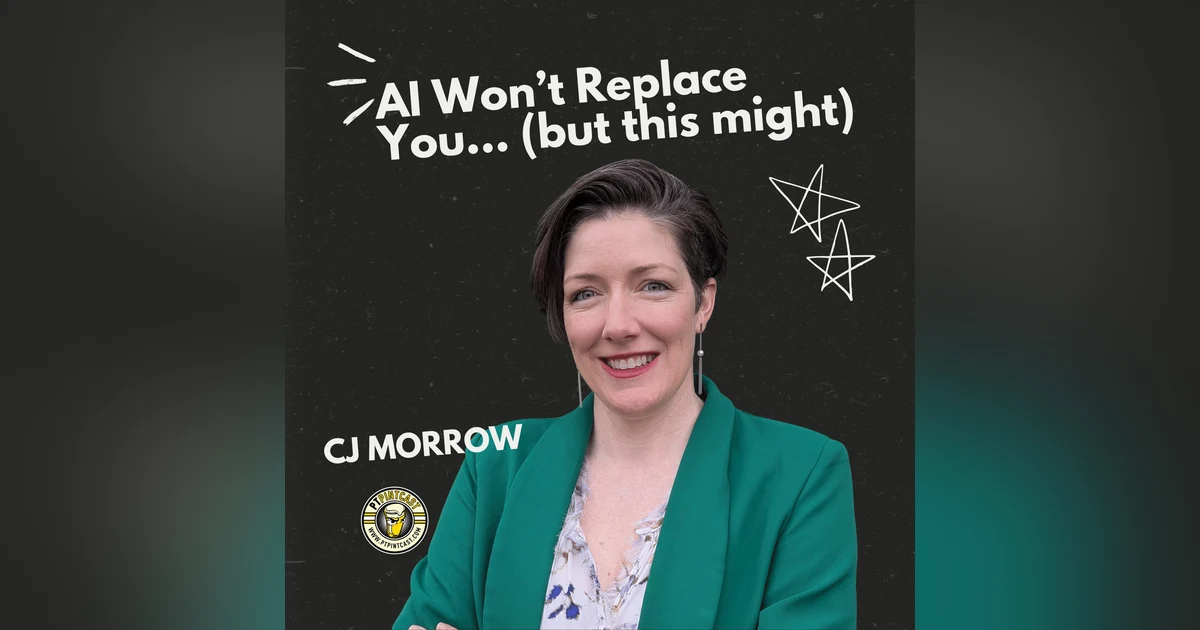
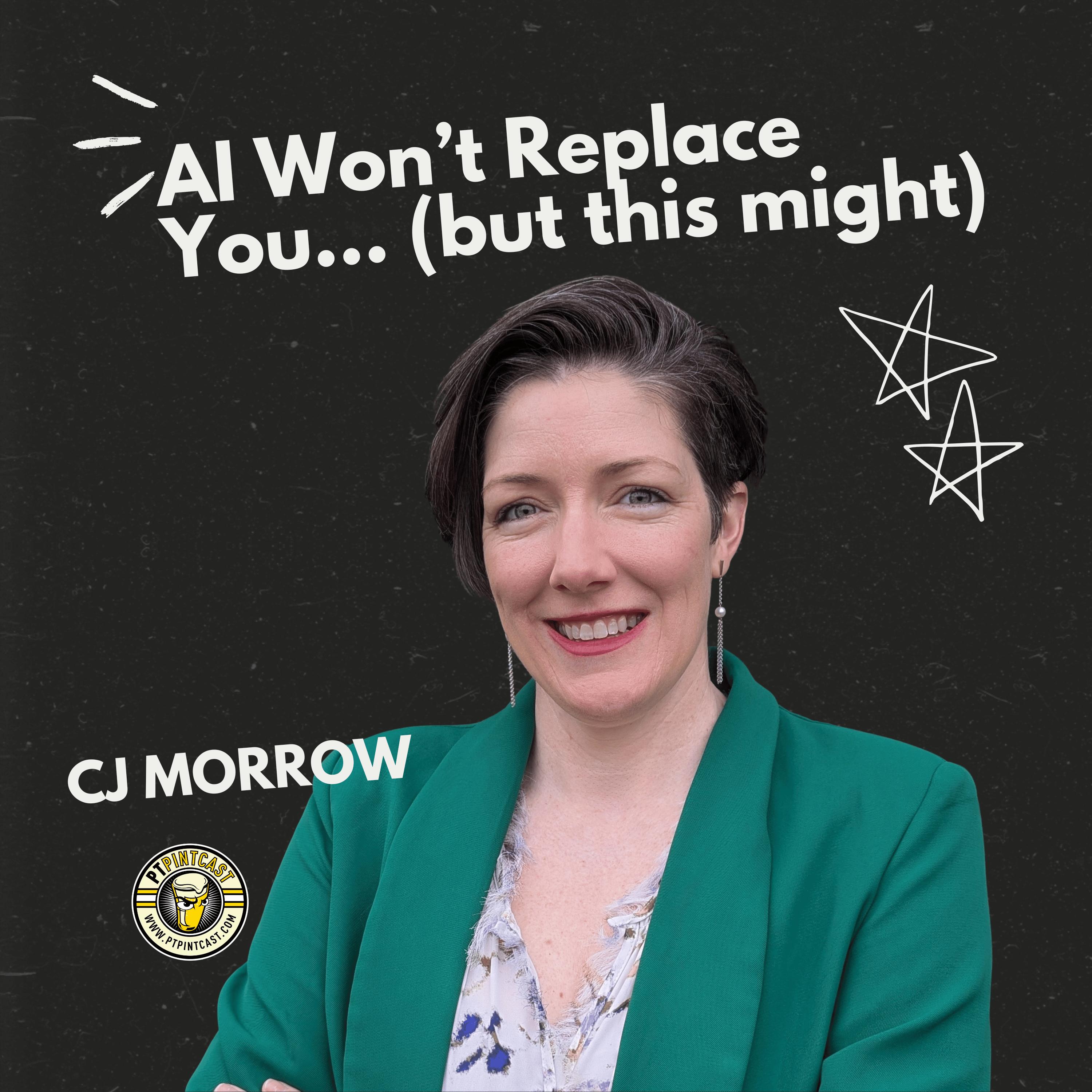


In this episode, Jimmy sits down with CJ Morrow—licensed PT and health tech leader—to explore the evolving role of AI in rehab. From demystifying compliance to explaining how AI can become your new thought partner, this conversation is loaded with insights for any PT navigating the future of care.
Topics Covered:
– The 6 Types of Working Genius and team synergy
– Why tech resistance is really about billing & complexity
– Compliance isn’t a roadblock—it’s a swim lane
– How PTs are training the future of AI
– First step to using AI in your clinic this week
– What the rise of automation really means for PTs
<p>This episode is part of the <a href="/physical-therapy-business-podcast">Physical Therapy Business Podcast</a>, where physical therapists and clinic owners learn how to get more patients, improve operations, and grow their clinic without relying only on referrals.</p>
<p>Looking for more episodes? Explore the full <a href="/physical-therapy-business-podcast">Physical Therapy Business Podcast</a> for real-world strategies on physical therapy marketing, patient acquisition, and clinic growth.</p>
0:00 You're listening to the PT Pinecast, where smart people in healthcare come to make noise. Here's your host, Jimmy McKay. Thanks, voice guy. I am Drew McKay. Episode is brought to you by Brooks IHL. It stands for Brooks Institute of Higher Learning. It sounds fancy because when we say the word institute, we just consume. Place PTs go when they're ready to level up their clinical game, residencies, fellowships, orthopedics, neuro, women's health, pediatrics, geriatrics, and more. Brooksihl.org, brooksihl.org. We've already heard a dog bark, and we have a rule on this show. If a dog ever makes it on camera, a dog or a baby, make it on camera.
0:42 You have to stop the interview and introduce the dog or the baby to the audience. You cannot just have it. Anyway, I'll introduce the guest first. Hang on. Let me do the guest first. She wrangles regulatory chaos by day. and chickens by night we have to bring this up somehow with a background that spans clinical workflows compliance strategy and healthcare technology she's the one startup's call when they've built something great but they're not sure how to like scale it without compromising values that's where she comes in she's an anime recruiting sci-fi devouring lateral thinkers who's helped pts reimagine their value beyond hands-on care and showing how technology isn't the threat it's the tool we need let's meet the managing director of cjm strategic consulting cj morrow cj welcome to the show hello i'm i'm excited to be here so how was the intro was i was it close was it good what how did we do That was awesome.
1:37 I actually included as a snippet, I included the anime because I thought I should sound more human. And so that's probably, you know, it could be one of the issues that I have with my life is that AI is telling me to be more human. Hi, we have I am a computer explaining to you a human how to be more human. But it is true, because I was watching Spy X Family with my daughters, which are, I won't say the age, they're probably too young for the episode. Wait, what were you watching? Spy Family? I don't know Spy Family. So it's an anime, and it has an adorable four-year-old daughter that's telepathic.
2:18 And I have a four-year-old who may or may not have been watching it. But if she was, if my four-year-old was telepathic, she'd be exactly like that anime character. So you've just walked into my trap. If you had to, if you got to pick a superpower, what would it be? This is not easy because now you get to pick a lot of superheroes. They're just, it just comes to them and they're just, they learn to use it. But if you have a spider, they get, you know, it's just, yeah. If you could just bang dry erase board one superpower, what is it? Honestly, so what comes to my favorite superhero is Deadpool.
3:01 I mean, besides the fact that he can regrow limbs, but he's also funny. I don't know. Ryan Reynolds to me is hilarious. So if I could regrow limbs and be funny, then yeah. Sarcasm is a service that I offer and could be called a superpower, I guess we could say. Yes, exactly. Yes. All right. CJ, you said PTs need to stop seeing themselves as just their hands. Why is that such a dangerous mindset in twenty twenty six to have? Well, so and I was this right. So I have an OCS. I was like one of the first things I would ask my patients when they'd come from a doctor's appointment, especially when they're disgruntled, is did the doctor did your doctor actually um touch you did they like lay sounds did they did they move you around and a lot of times that question is no right and i really was a believer of like these were what i used to heal with And then I moved to digital care and all, I didn't have these anymore.
4:09 In fact, I only had my voice and I only had my ability to educate and empower my patients. And that is where I truly found what physical therapy can be, which is really our ability to sit with someone and empower them to heal themselves. Now, sometimes they, yes, they do need help. They need help manually. They need help to kind of, with our hands, but our voice and our minds are the biggest tool set. And we need to focus more on that, I think. Yes. Yeah. So look more really, I mean, I'll say some phrases you tell me if you disagree or agree.
4:49 Tech's a multiplier, not a replacement. We've heard these things. It really, I mean, I guess it sort of opens up a space to explore clinician identity. Like, hey, if we're not attached to These, I mean, they should remain attached to your hands. I mean, unless you're Deadpool and then they don't happen. Unless you're Deadpool. Ah, see, there's a thread. We never know what's going to happen, but it always pops up. But yeah, this is an identity thing. And you see people, if you go to remove something from an identity from someone without even consciously knowing it, they get really upset. Yeah. And that's what's happening now, honestly. So with, I work a lot with AI companies.
5:29 And AI is removing this confident identity that we have, digital care, removing this confident identity that we as physical therapists have. And I'll say the caveat, I'm licensed, but I'm not practicing. But it is, it's an identity crisis that we're going through right now. That saying of AI, if you don't use AI, you're going to get replaced, that sort of thing. It's really... not so much that, but we're, we're going to experience this workforce skills migration where it's not, again, it's like, it's not going to be all about our hands, but it's not, we're also not going to be manual therapists anymore.
6:17 And I say that a little controversially, I'm sure there'll be plenty of comments on that, but we have to adapt so that we can use all the tools that we have at our In our arsenal. Yeah, yeah. Disposal, yeah. Yeah, you don't have to be... You don't have to be only anything. Like only manual, right? I mean, geez, I mean, how many... It was so frustrating to me as a second career PT going through PT school when I was told every patient that comes through, you do the subjective and then you do the measuring and then you do manual for a little while and then you get them to move and you give them a little ice or heat and then they're out.
6:57 And I was like, Oh, I left radio for this. Oh, that's not good. This what? This feels like an ice cream stand. Like everybody gets a cone. Everybody picks a flavor. It's different, but it's a flavor. And then they get sprinkles, rainbow or chocolate. By the way, they're both the same flavor. And then you give them a napkin and they get out the door. And I was like, oh, no. And of course, that's not the same everywhere. But it could be a little scary to think about it like that. I didn't like the concept of, when I did an eval, I had to find and create pain with someone. That was some like expected thing during an eval.
7:37 And I understand conceptually why, but I also, I started asking more like, okay, what makes you feel good? You know, like that sort of thing. So when you say that, and I'm a second career PT or two. What was your first career? I was a quality engineer at Johnson & Johnson. Doing what? Were you the person who figured out if there were, in fact, no more tears? In the shampoo? Who's got that job? That's got to be great or horrible. Oh, my God. Now I'm thinking about how. Yeah, that was a live test. Like now, of course. Sorry, I'm a lateral thinker.
8:18 So now in my brain, I'm thinking about like, how are they testing these? Hopefully not on babies. But what did you do? What did you do? Thank you for wrangling me in. I am. So I worked at a company that did insulin pumps. So we manufactured insulin pumps. in Pennsylvania and I worked on like the quality, the incoming quality and quality engineering side. Um, and that was part of Johnson and Johnson's like diabetic diabetes franchise. And then I also worked at bandaid. I worked in Neutrogena when I was there. Um, And I worked at their they have a project management institute called Flawless Project Execution. So I did four years where I rotated through and part of a leadership development program.
9:03 That's cool. Yeah. You have a closet filled with band-aids and insulin pump. Did you like get like some stuff? I'm just imagining like I got I got concert T-shirts and CDs. I'm imagining you got band-aids on band-aids on band-aids right now. There was, I didn't get too many band-aids. I worked actually on the idea conception. So it was like pre-ideas. So we did like, when I was there, it was a lot of hydrocolloids, which is like this, the material that absorbs, which is really cool. And we're like, well, puzzle shapes is cool. I remember when I was at Neutrogena, you know, manufacturing, they have your mislabeled or cap doesn't work. So on, I don't think they do this anymore, but you know, every once in a while you just get this plastic bag of Neutrogena products.
9:47 So, um, that was really nice. And it's like, I just carry out a bunch of Neutrogena and Aveeno products, um, from the LA manufacturing area. So, yeah. Well, that's what you did. Now what you do is you help healthcare make sure I'm getting this right first. You help healthcare tech companies scale without losing what makes them special. Yes. How can clinics or providers, how do people in our profession start thinking that way too? Like what can you teach them about how these things more similar than they are different maybe? Yeah, so one thing that I've learned is there are people out there that are creative and visionary and you have these entrepreneurs and founders and they have these amazing ideas and that could be a PT that has an amazing idea.
10:40 or a patient that has amazing idea. And then that's not me, but I like all the boring stuff that helps to allow your amazing idea to get to the clinic. So if we think about the clinics themselves and PTs themselves, one thing I would say is that your idea to help you or your patient is an amazing idea. and it could be a unique idea and there's so much out there now that allows for that little light bulb to grow and so what i do and what i actually like to do is read i like to read i do a lot of reading um the regulations and compliance and then build kind of the framework that allows your idea then to go to clinic and go to market.
11:34 And so what I think about that is I allow you to continue to be creative so that you continue to do what you do great. And then I do what I really love, which is kind of catalyze your idea and help it survive in this like highly complex, always moving regulatory environment. And the world, like the world is constantly moving. What worked yesterday might not work at all tomorrow or six months from now. So you're like a how, like, so you, I work well with people like you because I'm a wow person. That's not me patting myself on the back. I'm like, I'm going to come in hot. I'm going to throw in ninety seven ideas knowing I'm OK if two of them will work because I got four hundred sixty eight more.
12:22 Just wait. I'll tell you. So I bring in the wow and I work well with how people you're like, great. I got to tell you what, sixty three of those will never get off past step two. The rest of them will never get. OK, these two, though, maybe. And then now now because I'm like, here's the idea. Have a great day. And I'm like, I'm out of here. Like, I just dropped my genius and I'm out. And then but nothing happens unless you have a house, unless you have people. Yeah, exactly. Or, I mean, it's kind of lunchtime. So I would think about you bring, if we're thinking about burgers, right? Ooh, I like that. And bars. So if you bring, you know, the high quality burger material, I'm the one that's going to, you know, make the artisanal bread and bun that's going to like seal it all together and be kind of envelope it so that it's like able to be eaten, so to speak.
13:13 I've said before, I'm good in the beginning and the end. So you have nothing, but you have a target. I got some ideas. And then once we sort of have it close, I'm like, all right, figure out how to math that. Got it. See you guys later. And in the end, you're like, we have it. How do we get it out to the world? I'm like, oh, that's easy too. Watch this. We do this. We do this. We do this. It's that middle part that I'm like, oh, we're going to do paperwork or build a thing. And it's moving slowly. That's why me in the clinic, did not work. Like it wasn't like I didn't pass the test or anything, but I was like, I could design and wow, and meeting the people, well, subjective all day and like find the problem, awesome. And once we have it, I'm like, all right, let's move it on.
13:55 Who are we gonna meet next? Like, no, dude, you gotta do that. And I'm like, oh, it's too slow. My brain doesn't brain that slow. Have you ever taken, you said you read a lot. Have you ever heard of six types of working genius? No. So this is one of those things that you like, you know, one of those assessments. I like these things, probably part of my personality, right? But this only has six types of working genius. And it spells the word widget, which is good too, right? Like it's an acronym, like scuba. So it's wonder, invention, discernment, galvanizing, enablement, and tenacity. And the idea here is these are...
14:35 Things that you do, types of activities, and it's not skill. It's does it give you energy? Yeah. Take energy or sort of lukewarm mayonnaise. And since there's two, it's sort of like you have like two out of the six that give you energy. Yeah. Two out of the six that just drain energy. You can do them, but at the end of the day, you're like, I hate this. Yeah. And then two that you're like, you know, neither here nor there. wait so you're not so which do you think you are i'll explain we did not plan on this as this being the episode so wonder is like you sit around like me and i'm like look at that nail gun how could we use that in a non like how could we not use that properly it's really what i do and i'm like and then you maybe you invent something great or maybe you shoot someone's eye out invention is the next step which is like i got some raw materials i was the kid always building forts and i was like i don't know but i never finished the damn forts I could draw the fort or tell you what it's going to look like.
15:34 I could sell you the vision on why you should gather materials and steal your dad's nails and hammer. But then halfway through the fort, I'm over here building the pool, right? So that's invention. Discernment is you see a hundred ideas and for whatever reason, you know which ones are the ones. And you might not even know how. galvanizing is like, like teachers are very like good, good elementary school teachers. You can get everybody, Hey, everybody on me. We're going this way. Who's ready. And some people are like, I would be exhausted again. It's about energy enablement. Um, that's like, you're the ultimate Robin where you might not be good at doing the thing, but you're running around going, I know what he's going to need next.
16:23 Um, I'll get it for him. I know what she's going to need six steps from now. I'm going to set that. Like you're the ultimate, like this person's usually like a good executive assistant where people like you're only an executive assistant. I'm like, if you are good at that, you are worth ten X other people. And then tenacity, you're a closer. Like, a ninety percent finished project is itchy in your brain you're like we where I'm like seventy three projects half finished that's great and they're like no no projects are finished and I'm like yeah but seventy eight of them look at all this potential greatness we have and the tenacity people are like shut up sit down finish the project so this is where you see a team with people with different skills is better this is why the Avengers are interesting and Five Deadpools would not be as good as one Deadpool and a Wolverine.
17:17 Do you know what I mean? Yes. Because you got to be different. So anyway, after I hear that, you have not had no time to do this. Which are your two like energy givers that how I just how I describe those things? Which do you think? And I'm putting you on the spot. I know that. Oh, no, I think, so it probably discernment and E, what was it? Enablement. Yeah. Like, yeah. Yeah. I love, I'll say like, I love your one hundred one ideas. This is what we have, the environmental constraints that we have. Right. And let's go with these five and let's, you know, push. But then I'm also, lukewarm mayonnaise is probably tenacity in the sense of like.
17:59 You can do it. I can do it. We have to finish it. And then anything that, you know, I don't know if you, I resonate with being a shadow worker. So all of that, like D and E is like, okay, you, you're the spotlight, right? What's D and E? What's that? Like a discernment enablement. You would be the spotlight. I would take that and I work behind the scenes and then you get it back for the spotlight. And then let's spell it again. Yeah. Right. So that's all me. Yeah. All of these things are easy if it's your skill set. Yes. Like once I realized, like I remember being in group projects, you assume everybody's just kind of like you.
18:40 I did anyway. I was like, everybody loves the same things I do. So I'd be in group projects and I'd be like halfway through. And of course, I'm like tenacities, whatever. And I'm just like, can't we just invent six more potential things? Like finish this one thing. As I got into PT school, what I realized, I was like, hey, I will help in the beginning and then I will deliver the presentation and I'll be there in the middle, but someone else needs to be in charge. And you know how many of my classmates love that? Like, you'll do the presentation. I'm like, I will love to do the presentation. spend more time doing those things that give you energy. Like I could do sixty eight podcast interviews a week. My problem is I got to find the people. That's all right. I'm OK at that. And then I got to be like, click this link and fill out this form and pick a time.
19:23 And I'm like, I'd rather just like hire like put me in front of a microphone. Give me five things to ask them. Don't worry. I'll get an hour out of them. Don't. That's not our problem. Don't worry about that. And it's amazing what happens when you put the right people on the right project and the right team. That's why I'm like, I'm like so attracted to working with like project managers and that you'd think it didn't make any sense or like, but it does. Cause I'm like, Oh, all the things I hate to do, I can hand to you and you like those and all the things you don't want to do. Like, Oh, isn't this great. We're like, let's only do this whole, everybody needs to be the world's well, well, most well-rounded. I don't care how my heart surgeon is at feet.
20:04 But we should be â I'm like, do you know where feet are? Yes. Good enough. Are you wearing shoes? Great. How about hearts now? Let's do hearts. How does that work, right? And that makes more sense in a specialized world. Well-rounded, great when we all needed to forage and learn how to light fires and escape bears. Well-rounded there, I guess, but we don't have to do that anymore. We need the other things. Yeah. No, definitely. We need more â we have to specialize. So then â Is this where PTs are sort of, or anybody really, I mean, walk around the world now with technology and AI and all those things. What are some of the common tech myths that PTs believe are that wind up holding them back where you're like, eventually you're going to understand this.
20:48 And the sooner you understand this, the better for you. What are some of the things that you wind up course correcting on most people or wish you could just reach through LinkedIn and be like, that's not actually the way it is. It's actually like this. So what are the things that you wish more people in our profession knew but don't? And if they did, they'd be better off for it. I think so. The first thing that comes to mind is, you know, the pet peeve of, you know, ChatGPT, Claude, Gemini, that's not a search, right? That's a conversationalist. You're designed to have a conversation. If you want to search, go on Google, although now Gemini is associated with, like, you're just going to get it. You're going to get it no matter what.
21:30 But I think... You know, and I say this as non-practicing, non-private practice owning, but I think there is this view of tech and the undertone of how then to get paid for using the tech that's like insurmountable in terms of change and in a clinic. And it's, it is easier if you ask the right questions upfront to really see, see if that tech integrates into your practice. Um, and we were just having a conversation about this earlier, um, not on here, but in a different forum around just, you know, the tech is great.
22:12 So like remote therapeutic monitoring and hybrid care, the tech is there. I would love, I wanted to be able to reach my patients in between visits. I, I gave my phone number out to patient, which is like Please don't do that. The compliance cap comes on. Please do not do that. But, you know, I love the idea and working at a digital health firm, too, is like I love the idea of my patient could ask me a question anytime that's top of mind. And it's like two a.m. on Christmas morning and they have this question or they have this pain. They're sending me that question when it's fresh. Then I get it when I can and I answer it. and then it's like that tech works great but then it's the question of you know and i don't like talking about money either because you know i just want to do what i love to do and what gives me energy which is not talking financials but then it's like how do i get paid for that because tech costs money and i think that there is this especially in pt world there's this Whenever something is associated with, okay, how do I bill for it?
23:15 How do I add that all complexity of administration, complexity around it? It's almost like this insurmountable barrier is put up and then it's like cognitive overload. We can't think about how it integrates into the clinical practice because a lot of things revolve around money. That's where you need that type of how person. That's again, going back to the six types of working genius. It's not finance, communicate. It's not. It's just what types of things. That's where you hire the person who they're like, I can't wait. I had a small group of people working with my podcast. Most of them were PT students back a couple years ago.
23:57 I wouldn't give spreadsheet tasks to the other group, to the rest of the group. because one of my personality traits is whoa like i need everybody to like me like people like it's not great it's a trait like believe me it's exhausting sometimes meanwhile they were there because those particular women loved spreadsheet tasks so i was keeping them away from like i was holding the thing that they were there for because i didn't want to give them the thing that i thought was bad that they liked because i wanted them to like me Oh, you give me a spreadsheet and I'll fall in love with you. To me, I was like, I don't want to give it to CJ because in my brain, spreadsheets are boring and I want her to like me.
24:39 So I'm only going to ask her to do things. The funny part was I would put them on podcasts and they would do it. but they hated it to me. I was like, well, I want to get you on the show. And they're like, I don't want to be on the show. I'm like, of course you do. Of course I do. And that's a, that's a present. That's a gift. I don't want to keep that. And they're like, I don't, can you not, I just want to be in the back. I'm like, no, I know what you really, you really want to. And then I had to listen. I'm like, they're telling you what they want. They don't want that. And that was a huge, mind opener for me. I was like, they are not being humble. They do not like that. And they do like the other thing. And I was like, oh, yeah, we're all different. Oh, my gosh.
25:20 Wow. And I was in my thirties at the time. I learned that lesson. I was like, wow, they really don't like this. And I'm like, oh, who knew? You should have known because they were telling you in English over and over again. So compliance, you talk about it And as a swimmer, I used to swim, you call it about compliance as a swim lane instead of a roadblock. What's that mean? And how does it apply to like innovation? So like first, what is swim lane versus roadblock mean? And then how does that apply? Yeah, so roadblocks synonymous with, like when I was at J&J and I was quality engineer, you'd walk into a room with R&D and all these creative people and you're like, hi, I'm from quality.
26:05 And then all of a sudden it's like the fun police have come in and we're shutting the party down. And that really stuck with me. going forward when I moved from like a digital practice into quality, like I didn't want that to be there. And I think sometimes there's this compliance and regulatory and HIPAA and now it's like with with with software as a medical like apps right you have sock too you have high trust all of all of these things and what we're also finding like deep seek is not this right constraints have helped with innovation and so when i think about roadblocks right that's like the whoa you know instead of looking at your hundred and one ideas and finding the three that are magic you're like whatever that math is, you're focusing on the ninety eight that I've just said, like, whoa, on.
26:58 And I think there are some out there that's just like compliance, stimulus, innovation. There's no way to get through this. We see it a little bit like U.S. health care, stimulus, innovation, fee for service, all of that. If you want to go down that lane, we can definitely go down that lane. But then there's also swim lanes, right? And constraints can sometimes help. Swim lanes can sometimes help to really accelerate and catalyze innovation. So now we're thinking, all right, you have three ideas that are just baller. But, you know, you also had twenty ideas that weren't totally, you know.
27:42 crap, but they were like, they had some really good points with it. And now if we think about those swim lanes and those constraints that we have to kind of navigate, um, and we add some of the magic, you know, we take the magic of the three ideas, we add some of the sprinkles from the other one, and we're building that ice cream cone. An ice cream cone needs to look kind of like an ice cream cone. Your idea needs to fit into some of the regulatory bounds of what US healthcare, I'm assuming that we're in the US, is. um with hipaa with you know all of that we need to maintain privacy for for patients and data okay so how do we do this while really making it an amazing experience and one of the things that i also pride myself on as a licensed pt having been there on both sides of that kind of in person and digital is now i'm going to be able to inject kind of this empathetic idea of what the workflow is so you have a great idea we've adjusted kind of swim lanes and some constraints that swim lane now is like accelerating you down the the pool if we're using the swim analogy and we know we have a target we're going towards that target and okay well how do we make sure that we're meeting the right target And we're being able to do it in a way that's going to connect with the clinical, um, clinical workflow with the clinicians,
29:14 because you have an AI solution or you have a solution and you're like, Hey, this is a wonderful idea. I love this idea. Okay. Let's put some stuff around it. Let's, you know, we're swimming down the lane and then all of a sudden it's like no clinicians going to use it. Or you have the, oh, the pilot went great. And then it's like, those people are really tech forward. And now we're going into like general population and it's like, okay, another application, another EMR, all of those kinds of things to think about as you're sitting at the table, really designing and working on that idea. So I've been on the fun police and the roadblock side.
29:56 And there's some, I just look up quality engineering, quality assurance memes out there and that I've been there. Yeah. The funny part is I shouldn't like to work with those people, but I did. And here's why. I work at a certain speed and I can't see the things that those types of people know. Like, it's like almost like I just it's like. I just can't see it. I don't have the vision. I'm moving at a hundred miles an hour. So I remember I'd be like, okay, I'm going to throw an idea and I want you to shoot holes in it. And most people would be like, oh, creative people just want their idea to go through. I'm like, I understand. I call them. I've called them since I was a kid. You made me write it down.
30:37 Idea parts. idea parts so when people are like hey so i want to do this and this and this and you're like that wouldn't work but save those three things separately just put them in a box because like if you put those with the we don't have the other puzzle part for that yet but when we do like there was a there was a um there was a thor movie in the eighties and it was terrible want to know why We had a great story, but you couldn't tell it. There was no lightning bolts. It was like a guy with a bad wig and a hammer. And then they were like, hang on. They made the movie, and it didn't do well. And then they, like, forty years later, whatever, forty years in tech version, they were like, hang on, everybody.
31:22 Thor. And they were like, well, last time we did that, it sucked. I go, I know, but now we can shoot lightning bolts out of his eyeballs. And it looks like lightning bolts. And they're like, oh, yeah. But ahead of your time. The other thing that you made me write down, which I explained to people before, a lot of times you'll think fun police. I tend to think wonder and invention people, right? The two that I have, we're like outside the box thinkers. We want a blank dry erase board. No, no, no, no, no, no, no, no. I, to think outside the box, there needs to be a box. Yeah. You have to give me things to work around or I just, I'm like, okay, it looks like a straight line is the answer. Cause yeah. There's nothing in the way.
32:03 I'll give you an example. I did an internship for K rock. I told you this before we hit record. The morning guy at K rock was Howard Stern and Howard Stern. If you liked him or not, it's fine. He got real crafty to like drop innuendos without ever getting fined. Cause there were rules. You can't say these words or do this. So he'd like get around it, love him or hate him. That was his thing. He goes to satellite radio and now he can drop F bombs and S bombs and T bombs, whatever bombs he wants to drop. And it wasn't fun anymore in the beginning because it was like, you don't have a villain. He wasn't fighting the FCC anymore. And I think he recognized that. Again, love him or hate him. Then he was like, maybe I should just get really good at getting to the heart of people's stories.
32:47 And in my opinion, now he's a better interviewer than he was for the last thirty years. He needed a box. Now his box is the person in front of them. And the goal isn't shock them. The goal is make them feel like get the best out of them. And it's a, and he's still good at it. Right. But yeah, so idea parts. And if you, I want you to come in and think outside the box, Jimmy. And my first questions are what boxes are you putting me in? And I will begin to think my way out of them. But if you don't put me in a box, you get a bunch of ideas that don't help anybody. Yeah. So this is where your superpower comes in because you've been that in-person PT. You've been that person on the other end of a camera and a microphone and you couldn't use your hands. And you've been that person who's walked in the room and everybody sort of like played it cool because kill it, the cops are here or whatever.
33:31 And you've been like, but I've been you, don't worry about it. Like, but that's why you're there. Yeah, exactly. Yeah. You said clinicians are the architects of data AI is learning from. They're learning from us. They need AI. Oh, I said they. That's probably not good. I'm giving human pronouns too. They're anthropomorphizing the machines. It's not good. What should we be doing differently right now that we know that these machines are learning from us? How does that change maybe how we approach it or how we think or what we do? I think... really and i really like the term architect and i did not come up with that term because again i'm not creative i just helped to put it out but um when i think about right now what we're doing in that all of our documentation and our notes and um and i mentioned this before like we're documenting in order to get paid but we also need you know, the future of, and I'm going to put it out there.
34:35 I believe in automate, I believe we're going to start automating care and we are going to get to the point where we're automating aspects, not all of PT, but aspects of physical therapy. And, um, In order to do that in the best service for ourselves as clinicians and for our patients, especially the data that we have now, which is all the documented notes and journals and case studies and all of that is going to be so important to help that in the future. And now I'm talking just automate actually health care. And, you know, we can talk about automation all around that.
35:16 You know, we have RCM type of stuff like reimbursement, denial automation, automating the front desk, automating scheduling. All of that is going to help. But right now we are truly the architects of future care automation. And we think about when I think about value based care and the true idea of quality care, we have to. And also we talked about specialization. Right. I can't keep everything in my mind that I need to for like I have a certain project and I do that project. And that's like my my full focus. And as a PT, for instance, I would not.
35:57 treat, for instance, women's health. That's not my forte. I loved ankles. I wanted to do the intersection of acute orthopedic injuries in a chronic neuropathic neurologic now i can't talk anymore a neurologic population so i wanted to focus that specific niche and i think now that we're getting into like all of this healthcare data that's coming through and it's all this new data that's coming out like um there's It's nearly impossible to retain and just keep up with what we learned.
36:38 And I went to school. I graduated in twenty fifteen. So it's like ten years ago. Oh, God. Ten years. I know. I'm sorry. I'm having an existential crisis. So ten years ago, what I learned isn't some of the baseline. Yeah, it's applicable, but I can't use some of that data now. It's like we've had stuff come up and I lost my train of thought because this is what happens if I don't write things down. But going forward, we need to be the architects of what the future is going to be. And that means that And the catch-twenty-two is that we still need the document to get paid.
37:18 We're not, we don't have enough time to put extra notes or quality documentation or, like, say, like, hey, I tried this with this patient, and let's see what happens. We also don't even have time to look back at our notes to see how that might have changed. But those types of details in the care that we provide for the health of the patient to promote their health, that's what's going to help us in the future to really deliver on and help automated simple routine aspects of physical therapy. And then that way, what we have is like just this cognitive unloading that allows us to really personalize care.
38:00 address complex patients. And I think that's kind of where we're heading. And I think some of the government programs are also recognizing that's where we're heading, which is a little bit exciting, but there's a lot of change. Yeah. Yeah. Simple, not easy. Yeah. So let's make this super tactical. and clear and say what's one thing someone listening now could do this week without having to buy anything or whatever what's one thing someone listening now could do this week to move from fear to action when it comes to ai if someone's like i've been anti-banana i have friends who are like i'll never do that and this is like a year and a half ago i'm like you will but i'm not going to fight you on it because the harder i push the harder you push back So those people who maybe are still sitting on the side of the pool waiting to jump into a swim lane, what's one thing they could do to move from fear towards action when it comes to AI?
39:01 Where would you have them start? So in the last week, we've had the three major models come out with just healthcare-specific chat. Wait, I only know two, ChatGPT and Claude. What was the other one? Gemini announced Gemini for Health yesterday. You blink, you blink in the thing. Okay. That would be a major news like a year ago. Now it's like, ah, it's the third. Okay. So I missed that one. Thank you. I know literally yesterday. So there is, so there's generative AI and there's chat GPT and then there's Claude and Gemini really asking where I started was thinking about it more of like critical thinking and thought partnership.
39:44 And what I wish was, I'd had in the clinic is, um, in our clinic, we use the photo focus on therapeutic outcomes and we get a PDF of that, you know, every quarter of like, you know, I was, it was, was not good at hips. I apologize to all my patients with hip pain. You're probably not seeing the best PT out there, but it was really good at back and neck and spine. Um, But take that PDF, you can scratch it out, your name or whatever, and just like put it in and then put some of your goals in and just ask where you should focus on your continuing education. Or take a really hard patient case, like someone you're stuck with or someone that, you know, just needs in your mind a little extra TLC.
40:32 Right. Anonymize it, don't put patient names, any kind of identifiers, but just put the case in there and see what it says. So in the long winded explanation, just experiment and try it out. Because I think a lot of the fear that we have as clinicians, as patients around the perception of clinicians using AI too, is around this like a lot of unknowns. and yes it's a big black box and there's a lot of unknowns in there but i think there is you know this benefit of just trying it and if you don't want to go and download chat gbt or download claude just put a question into and i'm i'm not i get no no financial help but you know any of this but just put a question to the google chat bar it'll be there it's there and it'll help answer and then just read it and you know, judge for yourself, you know, accuracy or hallucination or not.
41:35 And is it applicable? I also like it for bias. So I, you know, I recognize that, you know, as we specialize, right. And I have, you know, my upbringing, my specific lived experiences, my, you all has led me to who I am today. But I also want to be cognizant of how I communicate. You talked about your six types of working genius. I'm an IMTJ and an ERM-VI. I recognize them. If I don't have to be on stage, I don't want to be on stage, but you give me a data sheet and I'll love you forever type of thing. But some of that is communication preferences and And I communicate a little bit lateral thinking and everything.
42:18 That is, you know, talking and I'm anthropomorphizing. I use Claude. And so using Claude as a thought partner to help challenge my own biases so that I then can understand a little bit more around my world perspective or thinking. For instance, I mentioned I have not owned a private practice. I'm not a practicing PT. I'm able to ask the questions to help me prepare some of that more empathy in some of the situations that I'm in, too. So just yeah, just try it. Jump in the shallow end. Sorry. Jump in the shallow end. Exactly. Dip the toe in. You're not going to be able to avoid it six months from now.
43:05 It's like you can't find a manual transmission car now. No. You can't find it. For a while there, you had to pay more for automatic, and then you had to pay more for stick, and now you can't get a stick. No. These kids today don't know what a clutch is. All right. So we're going to have you back on the show. I sort of feel like you could be my secret weapon. You'll be our AI Deadpool. Okay, cool. We'll pull you out every like three months in between now and three months from now. Just jot down this, this, put all your idea parts down and then we bring you back and you go, here's what everybody needs. Here's what you missed. Maybe three months is too long because, again, we blink and a new thing happens. I mean, we blinked in a week and three health care chatbots came out.
43:49 So last thing we do on the episode, CJ, no pressure. We call it the parting shot. This is the parting shot. One last mic drop moment. No pressure. Just your legacy on the line. All right. Just whatever you want to wrap up with. It could be a quote, something you've already said you could repeat. What's because people always remember the last thing that somebody said, right? Yeah. What would you have your parting shot be around today's topics? I've been thinking about, you know, what. what the reaction would be when we find that AI is better than us. Because we've seen that in radiology, right?
44:31 AI is better at reading some radiology, but it's not replaced radiologists, right? It's coming where we're going to see that AI is better at doing some aspects of physical therapy and rehab than we are. And I'm excited for that and what that means to elevate our profession. You know, the rising, we talked about rising boat, tides, you know, that sort of thing. Uh, I would add it to your tide analogy. I was a lifeguard as a beach lifeguard. And if you turn your back on the ocean, That's when you get run over by the wave.
45:13 You can bury your head in the sand all day. It's coming whether you like it or not. Science works whether you believe it or not. It does not require your belief. Technology, same thing. It's coming. You don't like it, you'll resist it. Great. Cool. You do that. If you turn your back on it, it will run you over. CJ, appreciate the time. We're going to treat you as our AI secret weapon, I think. You'll be our AI correspondent. I love AI Deadpool. I might have to get a costume or something. It's fine. We're good. Appreciate the time. Thank you for this. I learned a lot. Yeah, no, this was awesome. And I'm so honored to be here.
45:55 And I know you talked about, you know, expectations out there. I'm still like, it's like, I don't know. Yeah. All right. Well, thank you for your time. That's it for this one, but we're just getting warmed up. Smash follow, send it to a friend, or crank up the next episode. Want to go deeper? Hit us at pgpiecast.com or find us on YouTube and socials at pgpiecast. And legally, none of this was advice. It's for entertainment purposes only. Bulls**t! See, Keith? We read the script. Happy now?