Nov. 6, 2024
BIRTHDAY SUIT! - Awkward Physical Therapy Eval

BIRTHDAY SUIT! - Awkward Physical Therapy Eval
BIRTHDAY SUIT! - Awkward Physical Therapy Eval

The evolving landscape of physical therapy as clinicians consider new business models beyond traditional patient visits. This conversation covers why PTs are turning to personal branding and content creation to supplement and even replace clinic income. We explore building patient subscription models, creating a lasting personal brand, and even developing…

Discover the best job titles in physical therapy and learn how to create a great impression with your profession. Whether you're a physical therapist, physical therapist assistant, or just starting your career, having the right job title can make all the difference. In this video, we'll explore what makes a…

In this episode of PT Pintcast, we sit down with Stephen Clark, Clinical Innovations Director at Confluent Health, to explore the future of physical therapy and how hybrid care models are transforming patient management. 00:00 - Intro 01:45 - Hybrid Care Explained 05:30 - Walmart Health Insights 09:45 - MoviHealth’s…

🎙️ Gear I used to create this video: Camera - https://amzn.to/46utZHr Tripod - https://amzn.to/3y5F3xI Lights - https://amzn.to/4bR0PD5 Mixer Duo - https://amzn.to/4bNgHGZ Mixer Pro - https://amzn.to/4bQTgMT Mic - https://amzn.to/4bWCfAO Mic Boom - https://amzn.to/3y6eOam Portable Mic - https://amzn.to/4fbfPi2 Mic Shock Mount - https://amzn.to/4cRIOGm Mic Arm - https://amzn.to/3YhJAYN Backup mic - https://amzn.to/3zQRpKD Streamyard:…

🎙️ Gear I used to create this video: Camera - https://amzn.to/46utZHr Tripod - https://amzn.to/3y5F3xI Lights - https://amzn.to/4bR0PD5 Mixer Duo - https://amzn.to/4bNgHGZ Mixer Pro - https://amzn.to/4bQTgMT Mic - https://amzn.to/4bWCfAO Mic Boom - https://amzn.to/3y6eOam Portable Mic - https://amzn.to/4fbfPi2 Mic Shock Mount - https://amzn.to/4cRIOGm Mic Arm - https://amzn.to/3YhJAYN Backup mic - https://amzn.to/3zQRpKD Streamyard:…

We dive into the ongoing debate: Should physical therapists focus on motivating their patients, or is it more about fostering understanding and accountability? Chapters: 0:00 – Introduction: Motivation vs. Accountability in PT 3:25 – Whose Job Is It to Motivate? Shifting PT Goals 12:40 – Understanding Patient Responsibility & PT…

In this episode of the PT Business Blueprint, we sit down with JP Guidry, physical therapist and founder of Guidry Golf and Sports, to discuss how he created a niche business serving golfers. 0:00 - Introduction 0:40 - Meet JP Guidry: Guidry Golf and Sports 2:05 - JP's PT journey…

In this episode, we dive deep into game-changing approaches for physical therapists looking to elevate patient care, optimize marketing, and leverage the latest tech tools in their practice. 0:00 - Introduction & recap of client success stories 3:15 - Creating engaging content for patient reach 9:22 - The Disney model:…

In this episode, we sit down with healthcare expert Dana Strauss to dive into the transformative potential of value-based care (VBC) for physical therapists. Dana breaks down why the traditional fee-for-service model is failing, how VBC focuses on improving patient outcomes while reducing costs, and the critical role PTs can…
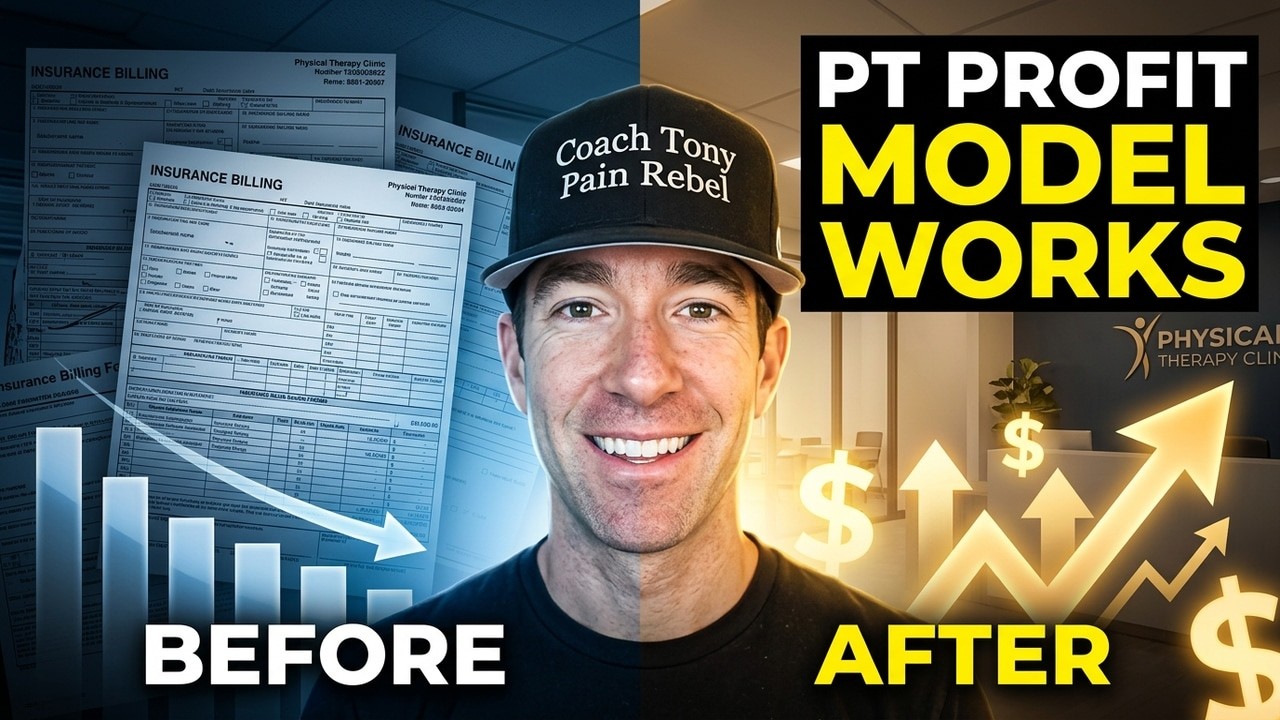
This is the future of physical therapy practice management and how owners can adapt to declining reimbursements. 0:00 - Introduction and episode overview 4:32 - Declining insurance reimbursements and opportunities for growth 10:15 - Strategies for blending in-network contracts with cash-pay services 18:45 - Megan Brown's success with Pilates and…

In this episode, we dive deep into the innovative clinic model behind Rise Physical Therapy, founded by Tyler Green. Discover how Tyler and his team are reshaping traditional physical therapy by focusing on patient-centered, one-on-one care and direct access. 00:00 - Introduction to Tyler Green 02:20 - The Story Behind…
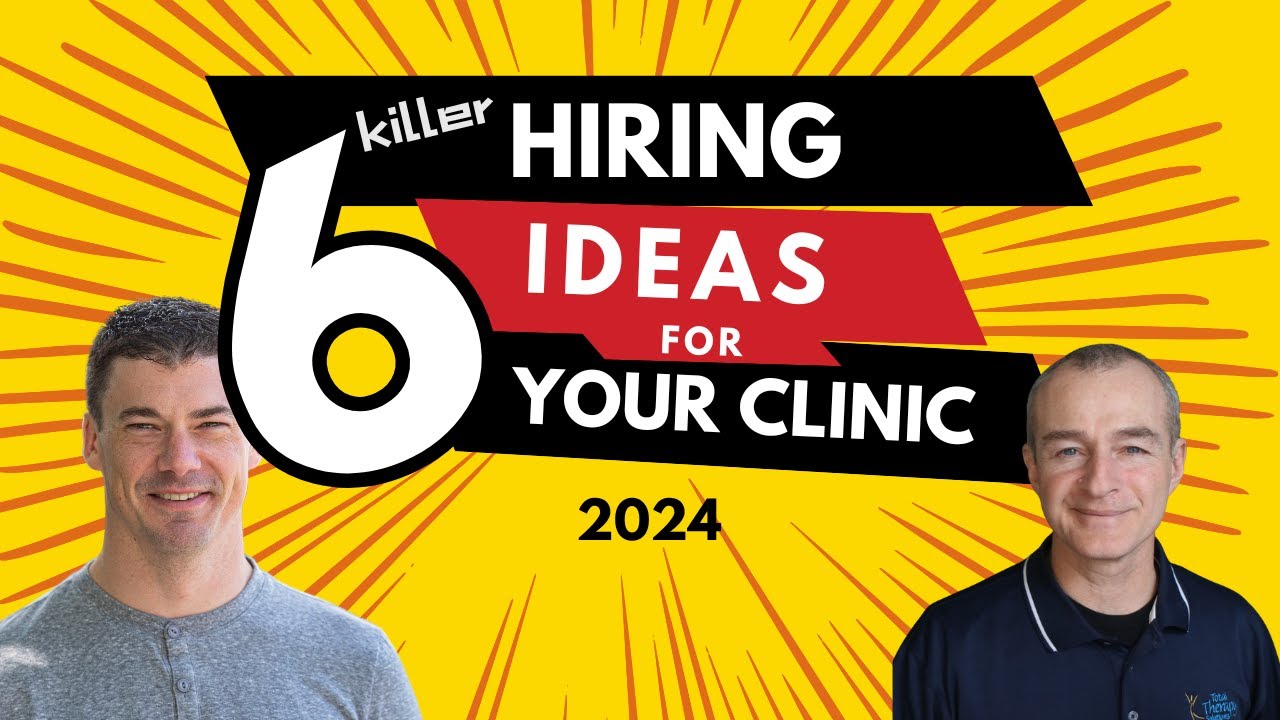
Jimmy McKay and Tony Maritato dive deep into one of the biggest challenges facing physical therapy clinics in 2024 — hiring and retaining top Physical Therapy talent. 00:00 – Introduction: Tackling the PT Staffing Crisis 02:35 – The Current PT Job Vacancy Rate: 10% and Rising 05:58 – Creative Referral…

Innovative hiring strategies for physical therapy clinics, exploring how to attract, interview, and secure top-tier physical therapists. Jimmy McKay, alongside industry leaders, shares creative approaches to identify motivated candidates, avoid common hiring pitfalls, and enhance your recruitment process. 00:00 – Introduction: The Challenge of Hiring in PT Clinics 03:45 –…

Jimmy McKay hosts a webinar hosted by the Academy of Orthopedic Physical Therapy to answer frequently asked questions about becoming an orthopedic clinical specialist (OCS) Key Topics Covered: - Prerequisites and eligibility requirements for taking the OCS exam - Realistic timeframes for preparing for the OCS exam - Recommended study…
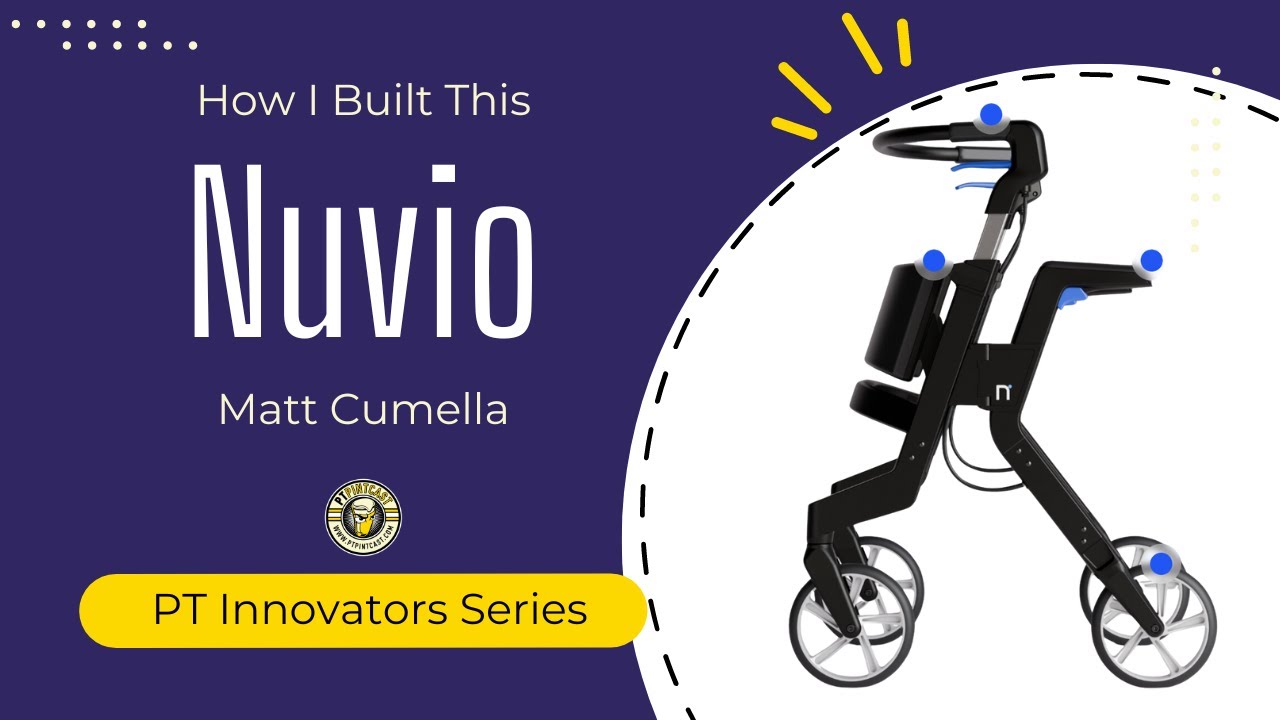
In this conversation with PT and innovator Matt Cumella, we explore the creation of Nuvio Mobility's advanced mobility aid. Matt discusses the challenges of designing a walker that truly addresses the needs of patients and caregivers. Chapters: 00:00 - Introduction & Nuvio Mobility Overview 02:15 - The Journey from PT…

Jimmy McKay, Tony Maritato, and Dave Kittle dive deep into groundbreaking business models for physical therapy practices. We discuss how integrating innovative tools like Shockwave Therapy can enhance both patient outcomes and clinic profitability. Learn how to transform your practice, attract top talent, and build long-term relationships with patients. 00:00…